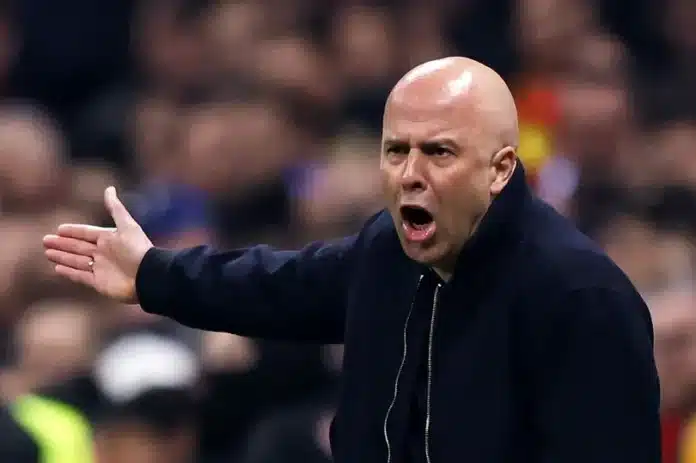
Liverpool faces a challenging season, trailing 1-0 against Galatasaray in the Champions League and at risk of missing next year’s competition. Manager Arne Slot, celebrated for securing the title in his debut campaign, now confronts intense scrutiny.
Shift in Team Identity
After dominating rivals last summer, Liverpool’s form has declined sharply. Slot’s tactical implementation has eroded the squad’s distinct identity. As Jürgen Klopp’s high-intensity era fades, the team appears increasingly ordinary and lacks its former vigor.
Injury Woes and Key Absences
Slot highlights misfortune, particularly with major signings. Standout acquisition Alexander Isak, expected to deliver immediate impact despite a delayed start, has been sidelined by a severe leg fracture. No replacement has emerged to fill the void.
Mohamed Salah’s performance dip exacerbates issues. Long Liverpool’s talisman, the Egyptian star’s reduced output—though common among peers—hits harder given his prior dominance. Persistent defensive injuries compound the problems.
Tactical Shortcomings
Critics point to Slot’s responsibility for defensive frailties, with opponents often scoring first. Despite strong possession, the attack lacks a defined pattern, failing to convert chances effectively. Slot’s references to opponents’ early goals and Liverpool’s dominance without breakthroughs underscore these gaps.
Firm Support from Leadership
Club insiders confirm the hierarchy’s unwavering commitment to Slot. Owners FSG view him as the long-term solution, backed by his contract through 2027. Key figures Michael Edwards and Richard Hughes, who selected Slot, believe he can usher in a new era.
While last season’s triumph demonstrates his potential, ongoing struggles test this resolve. Growing pains from transitions are expected, but prolonged poor play could prompt reevaluation. Urgent improvements in performances are essential to sustain this backing.