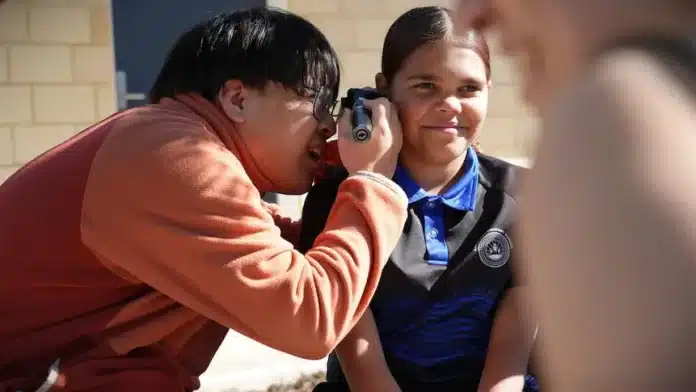
A pioneering initiative is bringing essential hearing health services directly to students in Western Australia’s vast Midwest region, aiming to bridge critical service gaps and ensure young learners can thrive. The Buranymarda Marugundi Program, a collaborative effort between Teach Speak Hear and the Ear Foundation Australia, utilizes a specially equipped mobile clinic to deliver comprehensive hearing assessments and coordinated care to remote schools.
Addressing Service Gaps in Regional Healthcare
Students in regional and remote areas often face significant barriers to accessing specialized healthcare services, including audiology and allied health support. These challenges can stem from geographical isolation, long travel distances, and a shortage of qualified professionals in these areas. The Buranymarda Marugundi Program directly confronts these issues by taking the services to the students, rather than expecting them to travel.
The program’s core component is a mobile clinic, essentially a fully equipped bus, that travels to various schools across the Midwest. This approach ensures that students who might otherwise miss out on crucial check-ups and interventions receive timely and accessible care. The initiative is particularly vital for identifying and addressing hearing impairments early, which can have a profound impact on a child’s educational development, social interaction, and overall well-being.
Comprehensive Care On Wheels
The mobile clinic offers more than just basic hearing screenings. It provides a holistic service model designed to address the multifaceted needs of students. Key features of the program include:
- Hearing Assessments: Professional audiologists conduct thorough hearing tests to identify any potential issues, from mild hearing loss to more significant impairments.
- Coordinated Allied Health Support: The program integrates services from occupational therapists and speech pathologists. This multidisciplinary approach allows for immediate follow-up and intervention planning for students who require it.
- Early Intervention: By identifying hearing problems early, the program facilitates prompt intervention, which is crucial for mitigating potential long-term effects on learning and communication.
- Accessibility: Bringing the clinic directly to schools eliminates the need for families to arrange and fund travel to distant urban centers, making healthcare more equitable for regional communities.
The presence of occupational and speech therapists alongside audiology services means that a child identified with a hearing issue can be assessed for its impact on their speech development and daily functioning, all within the same visit or through seamless follow-up coordination. This integrated care model is a significant advantage for families and educators.
Program Reach and Future Outlook
The Buranymarda Marugundi Program is set to run for an initial three-year period, demonstrating a commitment to sustained support for these communities. The initiative will cover a wide geographical area, with planned visits to schools in towns such as Yalgoo, Mount Magnet, and Meekatharra. These locations represent communities that often experience the greatest challenges in accessing specialized health services.
The long-term vision for the program includes not only ongoing service delivery but also potentially building local capacity and awareness around hearing health. By establishing a consistent presence, the program aims to foster a greater understanding of the importance of hearing care and empower local communities to support the auditory well-being of their children.
The Importance of Early Hearing Detection
Hearing plays a fundamental role in a child’s development. Undiagnosed or untreated hearing loss can lead to a range of difficulties, including:
- Academic Struggles: Difficulty understanding teachers, following instructions, and participating in classroom discussions can significantly impact academic performance.
- Speech and Language Delays: Hearing is essential for developing clear speech and language skills. Impairments can result in delayed or atypical speech patterns.
- Social and Emotional Challenges: Trouble hearing peers can lead to social isolation, frustration, and behavioral issues. Children may withdraw or act out due to communication difficulties.
- Reduced Quality of Life: In general, hearing loss can affect a person’s ability to engage fully with their environment and enjoy everyday experiences.
The proactive approach of the Buranymarda Marugundi Program, by bringing diagnostic and therapeutic services directly to regional schools, is a crucial step in ensuring that these potential challenges are identified and addressed at the earliest possible stage. This focus on early intervention is key to maximizing each child’s potential and ensuring they have the best possible start in life.
A Model for Rural Healthcare Delivery
The success of the Buranymarda Marugundi Program could serve as a valuable model for other regions facing similar healthcare access issues. The drive-in, drive-out model demonstrates the effectiveness of mobile health units in overcoming geographical barriers and delivering specialized care to underserved populations. By adapting this approach, other rural and remote communities could see similar improvements in access to essential health services for their students.
The partnership between Teach Speak Hear and the Ear Foundation Australia highlights the power of collaboration in addressing complex social and health challenges. Their combined expertise and resources have created a tangible solution that promises to make a significant difference in the lives of many regional students.
Conclusion
The Buranymarda Marugundi Program represents a vital advancement in healthcare delivery for Western Australia’s Midwest region. By deploying a mobile clinic to regional schools, this initiative is making essential hearing and allied health services accessible to students who need them most. This proactive, integrated approach is crucial for early detection and intervention, setting students on a path for improved educational outcomes and overall well-being, and offering a promising blueprint for addressing rural healthcare disparities.