Everton’s Hill Dickinson Stadium at Bramley-Moore Dock stands as a striking landmark on the River Mersey, blending seamlessly with Liverpool’s maritime legacy. Near the historic Victoria Tower clock, this 52,769-capacity venue captivates visitors approaching by ship or ferry. Yet, despite its impressive design, Everton faces challenges securing victories there.
Everton’s Home Form Slump
A recent loss to Manchester United extends Everton’s winless streak at home to seven matches, dating back to December 6 against Nottingham Forest. The South Stand rises at a steep 34.99-degree angle—near the 35-degree legal maximum—positioning fans close to the action and fostering an intense atmosphere that traps noise effectively, unlike open bowl designs.
Supporters remain vocal, as seen during the midweek clash, but consistent wins could amplify the energy further.
A Common Trend Across Premier League Moves
Everton’s difficulties mirror those of other clubs relocating. Over 33 Premier League seasons, six of seven teams experienced home performance drops in their debut year at new venues. Derby County stands alone as an exception, improving from 12th to ninth at Pride Park in 1997-98.
Southampton, Manchester City, Arsenal, West Ham, Tottenham, and now Everton all faltered post-move from long-time homes.
Financial Pressures and Transfer Impacts
Funding new stadiums often strains club finances, limiting transfer activity. Arsenal’s shift from Highbury to the Emirates, orchestrated under Arsene Wenger, enabled remarkable success beforehand—four titles in 15 years there. However, debt servicing hampered competition with rivals like Manchester United, Chelsea, and Manchester City. Arsenal has not claimed the Premier League crown in the 20 years since.
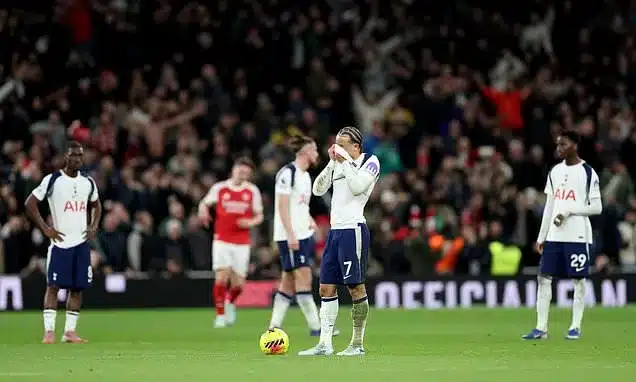
Tottenham’s state-of-the-art Tottenham Hotspur Stadium, hailed among the world’s finest, has seen 46 Premier League losses in seven years—nearly matching Arsenal’s 49 over two decades at the Emirates.
Psychological and Design Shifts
Beyond budgets, intangible factors play a role. West Ham’s transition from community-rooted Upton Park to the expansive London Stadium in Stratford has bred fan discontent. The latter’s isolated feel contrasts sharply with its predecessor’s intimacy, fueling resentment amid a relegation fight.
New venues can energize visitors more than hosts. Everton manager David Moyes addressed this after the Manchester United defeat, which left his side 14th in home standings with just four wins from 14 league games—versus seven away wins, placing them third-best on the road.
Moyes noted, “There is probably a change. Other teams come here and enjoy it, for one thing. You think of Goodison—narrow tunnel, the players can touch you. It feels a bigger space than Goodison. Tonight, we lost a goal when we were a bit wide open. There are things about it which are different and we have to get used to. Our games are better than at Goodison but our team is better. It isn’t as though we were winning every game at Goodison.”
The larger pitch at Hill Dickinson Stadium adds adaptation hurdles.
Building Lasting Legacy
Clubs need time to forge history at new grounds. Everton’s nearest highlight came in October when Jack Grealish’s stoppage-time strike clinched a comeback against Crystal Palace. A Merseyside derby triumph next month could ignite the transformation.
Everton and Tottenham possess strong foundations; signature victories will cement fan bonds and intimidate opponents, much like West Ham struggles to achieve.