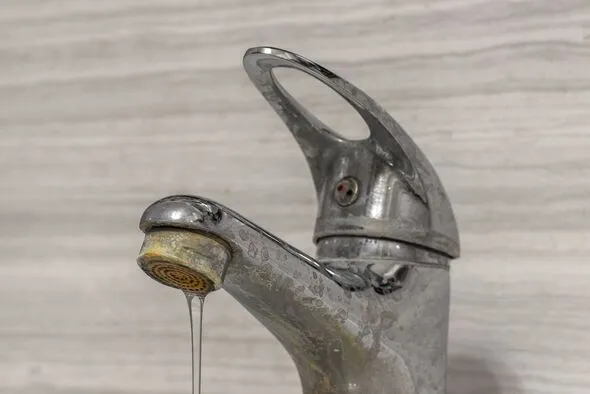
Bathroom taps endure frequent use and constant water exposure, making them prime targets for limescale buildup. Hard water, rich in minerals, leaves chalky deposits of calcium and magnesium as it evaporates.
Why Limescale Harms Taps
Limescale not only mars the appearance of taps but also causes practical issues. Untreated buildup restricts water flow, leads to leaks, and creates uneven spraying. Cleaning specialists note that encrusted deposits become tougher to remove over time and serve as a breeding ground for bacteria, potentially contaminating drinking water.
The speed of limescale accumulation varies by local water hardness and maintenance habits. Regular cleaning prevents thick coatings.
Natural Lemon Solution
Citric acid in lemons effectively dissolves limescale without harsh chemicals. A single lemon, often available for around 35p, provides an affordable fix.
Step-by-Step Cleaning Method
To achieve sparkling taps:
- Squeeze fresh lemon juice onto a cloth or kitchen roll.
- Wrap it securely around the affected tap areas and leave for one hour.
- Alternatively, place juice in a small plastic bag and secure it over the tap.
- For spout buildup, push a lemon half onto the end and let it soak for several hours or overnight.
- Remove the cloth or lemon, then wipe clean. Repeat for stubborn spots.
Experts recommend targeting tricky areas like spouts, where white deposits often appear. Soak a cloth in lemon juice, secure with an elastic band, and periodically squeeze for better penetration. For remaining scale, screw a lemon half onto the spout, wait an hour, rinse, and scrub gently on the underside if needed to avoid scratching finishes.
Vinegar works similarly as an alternative acid. Consistent application keeps taps pristine and functional.