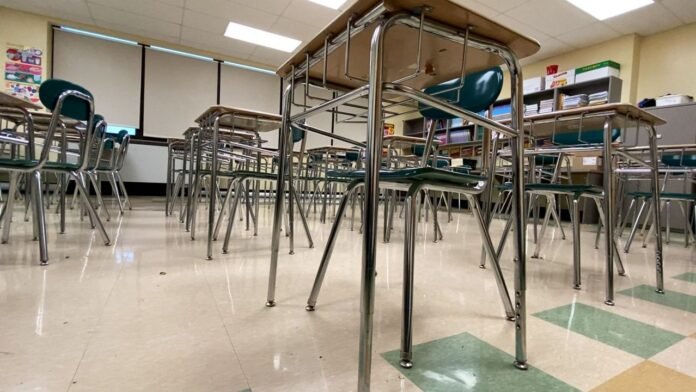
New York schools are making significant strides in reducing student suspension rates through the implementation of restorative practices, marking a shift away from traditional disciplinary methods.
The Problem with Traditional Suspensions
Traditional suspension policies have shown limited effectiveness in improving student behavior, attendance, or academic performance. Data indicates these punitive measures disproportionally affect students of color, those with disabilities, and children from low-income households.
“Suspensions aren’t effectively correcting behavior or improving academic outcomes,” explains education expert Quinn Martha. “When we remove students from the classroom, especially for minor infractions, we’re missing opportunities to build essential relationships and understanding.”
A Three-Tiered Approach to Resolution
Several school districts have adopted a comprehensive three-tiered system for addressing behavioral issues. This approach prioritizes relationship building and trust between students and staff, with suspension serving only as a last resort.
Rich Richardson, a director of restorative discipline, emphasizes the importance of proactive measures: “We’re focusing on building strong foundations of trust before conflicts arise, rather than just responding to incidents after they occur.”
Supporting Student Success
Schools have increased their support staff, including social workers and specialized response teams, to better address student needs. This enhanced support system helps manage crises and provides immediate attention when necessary.
“Students come to school carrying various personal challenges,” notes Bruno Primerano, an assistant superintendent of student support services. “As educators, we must understand and respond to these underlying issues that affect their ability to focus and succeed.”
Continuous Improvement and Community Involvement
Schools implementing these new approaches regularly review and adjust their policies with community input. While the system continues to evolve, early results show promising decreases in suspension rates.
“While we’re still refining our approach, we’re confident we’re moving in the right direction,” Primerano adds. “The commitment to improvement and adaptation remains strong.”
Looking Forward
As more schools adopt restorative practices, educators and administrators continue to monitor progress and adjust strategies. While challenges remain, the shift toward more supportive disciplinary approaches shows promising results in creating more inclusive and effective learning environments.