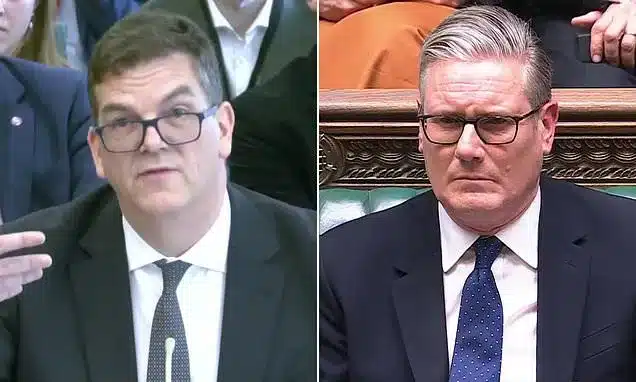
Sir Olly Robbins, the former permanent under-secretary at the Foreign Office, delivered compelling testimony to the foreign affairs committee, highlighting intense pressure from No 10 to fast-track Peter Mandelson’s appointment as UK ambassador to the United States despite security concerns.
Urgent Push for Mandelson’s Washington Posting
Sir Olly assumed his role on January 8, 2025, shortly after Mandelson’s appointment announcement by Prime Minister Keir Starmer. He described inheriting a situation with strong expectations to place Mandelson in Washington swiftly ahead of Donald Trump’s inauguration on January 20.
“I’m afraid I walked into a situation in which there was already a very, very strong expectation … that he needed to be in post and in America as quickly as humanly possible,” Sir Olly told MPs.
Downing Street had instructed his predecessor to proceed “at pace.” By Sir Olly’s start, the appointment was already approved by the King and the White House. January saw constant follow-ups from No 10, creating an unmistakable urgency to complete the process.
Sir Olly noted he could not confirm if Prime Minister Starmer’s then-chief of staff, Morgan McSweeney—a protégé of Lord Mandelson—orchestrated the pressure, including any reported blunt phone calls to prior Foreign Office leadership.
Downing Street’s Dismissive Stance on Vetting
Sir Olly submitted a key letter to the committee underscoring No 10’s commitment to the appointment. The government overlooked standard protocol to secure clearance before announcement. The Cabinet Office even questioned the need for developed vetting (DV), given Mandelson’s status as a peer and Privy Counsellor.
The Foreign Office insisted on full vetting. Sir Olly highlighted the dismissive attitude: the posting was publicized prematurely, and Mandelson accessed classified briefings before checks concluded.
Managing Security Concerns
Central to the controversy, Sir Olly approved Mandelson’s DV clearance despite UK Security Vetting (UKSV) flags. He rejected claims of overruling experts, stating he never saw a formal “high concern” denial form.
On January 29, Foreign Office security head Ian Collard orally briefed him on UKSV’s borderline assessment leaning toward denial. However, the security department deemed risks manageable and mitigable. Sir Olly clarified these did not involve Mandelson’s past association with Jeffrey Epstein.
Confidentiality in the Vetting Process
Despite approving clearance the day after the briefing, Sir Olly did not proactively inform No 10, citing confidentiality protocols. “My understanding of custom, practice and guidance is that the decision-making within the box of the vetting process must remain entirely confidential,” he explained.
His dismissal followed No 10’s discovery that he withheld concerns amid the escalating Epstein-related scandal, which led to Mandelson’s removal.
Averted Diplomatic Risks and No 10 Lobbying
Sir Olly confirmed scrapping the appointment last-minute would harm UK-US ties, potentially drawing public comment from the incoming Trump administration.
He also disclosed No 10 privately pushed for Starmer’s spin doctor, Matthew Doyle—later disgraced over pedophile links—to secure an ambassadorship.
Criticism of Early Announcement and Sacking Fallout
Sir Olly expressed regret over announcing the appointment pre-vetting, despite known reputational risks influencing the Prime Minister’s decision.
“I regret that this process was not done before announcement,” he stated.
On his dismissal last Thursday, Sir Olly withheld specifics, calling it unexpected and expressing deep sadness over losing a cherished role. He hinted at potential legal recourse, noting unfamiliarity with his HR situation and lack of prior discussion on accountability issues.