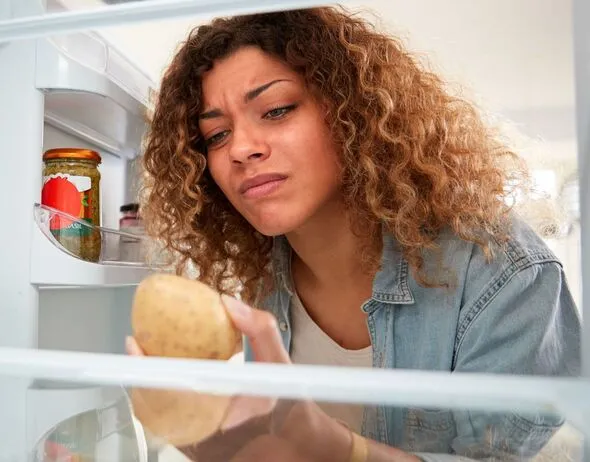
Potatoes rank among the world’s most beloved staples, yet confusion persists over the best storage methods. Experts recommend avoiding the fridge and opting for a simple alternative to extend freshness and prevent sprouting.
Optimal Storage: Cardboard Box or Breathable Bag
Bryan Silness, associate manager of research and development at Kraft Heinz, advises transferring potatoes from the grocery store into a breathable paper or mesh bag, or a cardboard box. Store them in a cool, dry location away from temperature fluctuations.
Silness explains that refrigeration triggers starches to convert into sugars, causing potatoes to brown during cooking, similar to ripening bananas. This method preserves quality and delays spoilage.
Boost Longevity with Apples
Waste management specialists, the Wheeldon Brothers, suggest pairing potatoes with apples. Apples release ethylene gas, which regulates ripening and slows sprouting in potatoes.
They note: “It’s an easy way to reduce waste and make your groceries last. Ethylene gas helps regulate the ripening process, which can slow sprouting in potatoes.”
Safety Check for Sprouted Potatoes
Sprouted potatoes raise safety concerns due to elevated glycoalkaloids like solanine and chaconine, concentrated in sprouts and green areas. Chef and food safety expert Mark McShane identifies key signs.
McShane states: “People can safely use a knife to remove small sprouts from the potato which remains edible as long as its body remains hard and shows no green discoloration. The potato should be thrown away when it reaches the stage of soft, wrinkled, or heavily sprouted condition. The green tint that sometimes develops under the skin is another warning sign because it indicates that glycoalkaloid levels may be elevated.”