
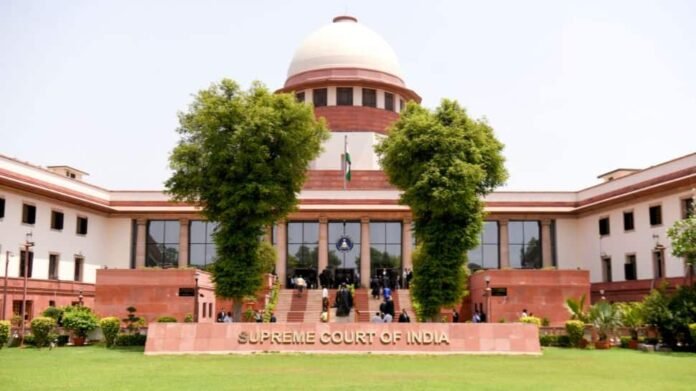
India’s Supreme Court has temporarily suspended the implementation of the University Grants Commission’s (UGC) Promotion of Equity Regulations 2026, citing concerns over vague provisions that could potentially be misused. The court has directed the Union government to revise and redraft the regulations.
Court’s Decision and Immediate Impact
Chief Justice Surya Kant and Justice Joymalya Bagchi, while hearing three separate writ petitions challenging the constitutional validity of these regulations, issued a notice to both the Union government and UGC. The case is scheduled for further hearing on March 19. In the interim period, the court has mandated that the previous 2012 UGC Regulations will remain effective.
Understanding the Controversial Regulations
The contested regulations, which were introduced on January 13, aimed to address caste-based discrimination in colleges and universities across India. A key provision required all higher education institutions to establish Equal Opportunity Centres with representatives from various social groups including Other Backward Classes (OBCs), Scheduled Castes (SCs), Scheduled Tribes (STs), Persons with Disabilities (PwDs), and women.
Public Response and Concerns
The regulations faced significant opposition, particularly from general category students who organized protests against the new framework. Critics, including various leaders and activists, have expressed concerns that these rules could potentially be used to discriminate against upper-caste students and create divisions within educational institutions.
Legal Challenge and Future Steps
The legal challenge to these regulations came through three separate petitions filed by advocates Mritunjay Tiwari, Vineet Jindal, and Rahul Dewan. The Supreme Court’s intervention requires the government to present a revised framework that addresses the concerns raised about potential misuse and vague provisions.
This development marks a significant pause in the implementation of equity regulations in India’s higher education system, as stakeholders await a more refined and balanced framework that can promote inclusivity while preventing potential misuse.