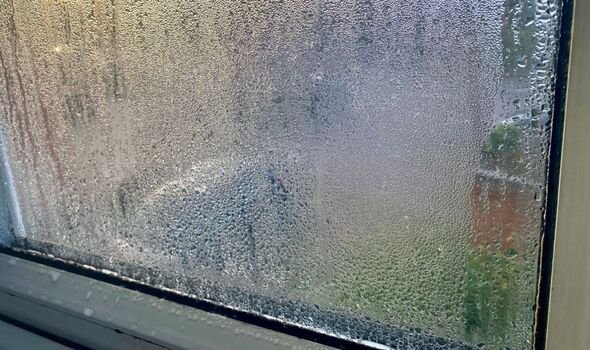
Window condensation remains a common winter issue, stemming from the temperature difference between a warm indoor space and cold outdoor air. This moisture buildup actually signals that a home is well-insulated against the elements, though it can still pose challenges like dampness and potential mold growth.
Understanding the Cause and a Proven Solution
Condensation forms naturally when humid indoor air meets cooler window surfaces. While various preventive measures exist, experts emphasize ventilation as the most effective approach. Professional cleaner Lisa Stewart highlights this in her advice: “Ventilation is the only way to get rid of it.” She recommends opening windows for 15 minutes each morning to eliminate condensation and prevent mold formation.
Putting the Method to the Test
To verify its effectiveness, I experimented with this routine during a chilly winter morning. With visible condensation on my bedroom windows, I opened them wide for 15 minutes, bracing for the influx of cold air. The moisture began to dissipate noticeably within that time frame, though activating the room’s heating could have sped up the process further.
The open window not only cleared the existing buildup but also slowed its reformation compared to other areas of the house. The incoming fresh air invigorated the space, creating a more comfortable atmosphere overall.
Enhancing Results with Heat
Repeating the test with the heating turned on yielded even better outcomes. The combination balanced the fresh airflow without dropping the indoor temperature too low, though it did impact energy costs slightly. This method proves reliable for maintaining clear windows throughout the day.
Additional Tips for Long-Term Prevention
Incorporate this habit daily by airing out rooms with heating active to combat condensation proactively. If moisture lingers despite ventilation, wipe windows dry promptly to avoid mold risks. Consistent airflow keeps homes drier and healthier during colder months.