
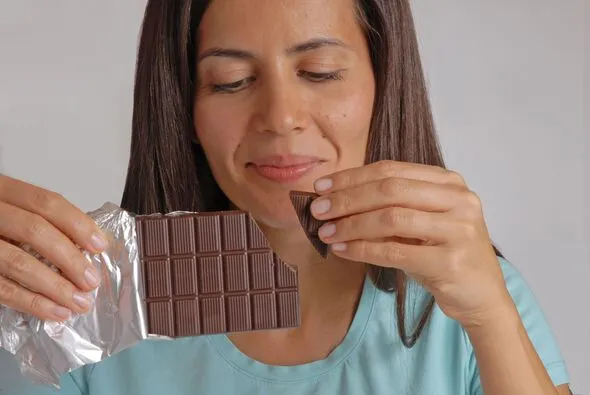
A compound found in dark chocolate may help slow the aging process, according to recent research. Scientists have discovered that theobromine, a natural substance in cocoa, correlates with a lower biological age in participants.
Key Findings from the Research
Researchers analyzed blood samples from over 1,600 participants across two European cohorts: 509 from TwinsUK and 1,160 from KORA. Those with higher theobromine levels showed biological ages younger than their chronological ages. Biological age reflects the body’s health and function through DNA methylation patterns, which act as tiny “bookmarks” changing over time.
The study, published in the journal Ageing, used two methods to measure aging: DNA chemical changes indicating aging speed and telomere length, the protective chromosome caps that shorten with age.
Expert Insights and Quotes
Professor Jordana Bell, senior author and Professor in Epigenomics, stated: “Our study finds links between a key component of dark chocolate and staying younger for longer.” She cautioned against overconsumption, adding: “While we’re not saying that people should eat more dark chocolate, this research can help us understand how everyday foods may hold clues to healthier, longer lives.”
Dr. Ramy Saad, lead researcher and clinical genetics physician, remarked: “This is a very exciting finding, and the next important questions are what is behind this association and how can we explore the interactions between dietary metabolites and our epigenome further? This approach could lead us to important discoveries towards ageing, and beyond, in common and rare diseases.”
The effect appears unique to theobromine, as other cocoa and coffee compounds did not show similar links. Dr. Ricardo Costeira, postdoctoral research associate, noted: “This study identifies another molecular mechanism through which naturally occurring compounds in cocoa may support health. While more research is needed, the findings from this study highlight the value of population-level analyses in ageing and genetics.”
How Theobromine Works
As an alkaloid, theobromine influences gene activity by interacting with cellular systems that control health and lifespan. Previously linked to reduced cardiovascular risk in humans—though toxic to dogs—this compound warrants further study. The research team, including Professor Ana Rodriguez-Mateos of Human Nutrition, is investigating whether theobromine acts alone or synergizes with dark chocolate’s polyphenols.
Researchers emphasize moderation, noting dark chocolate’s sugar and fat content. More studies are essential to confirm these associations and guide dietary recommendations for anti-aging benefits.