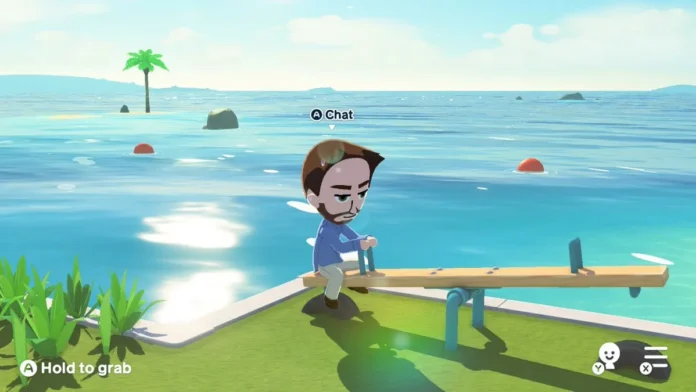
Developers behind Tomodachi Life: Living the Dream disclose that crafting the Mii interaction system demanded six or seven years of intense refinement.
Overcoming Programming Hurdles
Lead programmer Takaomi Ueno highlights the complexity of Mii behaviors, including characters pacing in the same spot or multiple Miis vying for one item. “Mii characters would sometimes pace up and down the same area, or several of them would try to use the same item at once,” Ueno explains. “So, we set rules for each of those unintended behaviors, keeping the ones we thought were odd but amusing.”
After establishing these rules, the team layered elements to ensure seamless combinations. “Before we had those rules in place, it was pure chaos and really hard to manage,” Ueno adds. The group even considered embracing the disorder for fun at one stage.
Endless Ideas and Extended Timeline
Art director Daisuke Kageyama notes that experimentation persisted amid the initial disarray, as the team sought features players would love. Game director Ryutaro Takahashi states, “It feels like we spent the entire project fine-tuning that balance.”
Originally slated for completion in 18 months, the user-generated content tools expanded due to fresh concepts. “We wanted players to enjoy the game simply by observing the Mii characters, so we came up with more and more ideas,” Takahashi reveals. Programming director Naonori Ohnishi confirms Takahashi and planners continuously proposed additions, stretching development to six or seven years.
Positive Playtest Feedback
Final playtests delivered strong approval. “The feedback was overwhelmingly positive, which was a big relief,” Takahashi shares. Kageyama echoes, “Since we’d struggled with it for so long, it was really reassuring to hear that people had found it fun.”
Tomodachi Life: Living the Dream launches on Nintendo Switch and Nintendo Switch 2.