
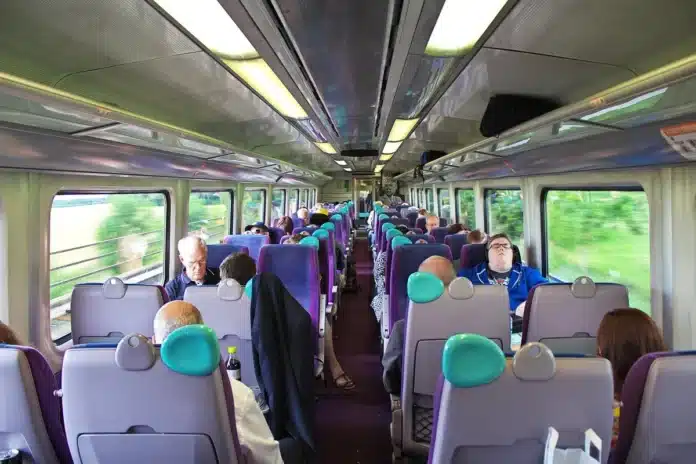
The Rise of the ‘Dumper’ on Public Transport
The daily train commute, often exceeding an hour for many Britons, frequently involves consuming food and drinks. While generally accepted, provided the items are not excessively odorous, the disposal of waste is a growing point of contention among passengers and transport staff. A recent survey indicates that a significant portion of the public finds litter left on trains to be a major annoyance, ranking it among the most disliked behaviours on public transport.
Online forums and social media platforms are replete with expressions of frustration from those encountering this issue. One individual, new to the country, sparked widespread discussion by questioning the apparent normalization of discarding waste on trains. Numerous commenters shared similar experiences of finding tables covered in rubbish, deeming the practice “nuts” despite their own efforts to clean up after themselves.
Widespread Disregard for Public Spaces
Many commuters have voiced their disgust at the “manky” state of public transport, with some describing the behaviour as a profound lack of respect for fellow passengers and, crucially, cleaning crews. Stories abound of individuals being labelled with derogatory terms for leaving their refuse behind.
While a minority argue that the absence of sufficient bins justifies their actions, official statements from rail operators and transport authorities suggest that waste receptacles are generally available at stations and on trains. Furthermore, leaving litter on public transport is a breach of environmental protection laws and railway byelaws.
Impact and Perceptions of Littering
Despite regulations, millions of individuals admit to having left rubbish at train or bus stops in the past year. This not only increases the workload for cleaning staff but can also create safety hazards. Items like coffee cups and food packaging can obstruct doors or fall onto railway tracks, leading to potential disruptions.
A significant perception issue exists regarding what constitutes litter. Some studies suggest that a substantial number of regular train users do not consider used coffee cups left on seats as waste. Additionally, younger demographics may believe that placing rubbish on a surface, rather than directly on the floor, does not qualify as littering.
Whether intentional or not, this behaviour often stems from a perceived notion that the responsibility falls on cleaning staff. Ultimately, the practice prioritizes individual convenience over the collective good, invariably drawing disapproval from both fellow passengers and those responsible for maintaining the transport network.