Despite a fragile two-week ceasefire between the US and Iran, Middle East tensions continue to drive up petrol prices across the UK. British drivers face potential increases at the pumps for the next six months, even if the truce endures.
Warnings from Good Morning Britain
Presenters Adil Ray and Ranvir Singh highlighted the risk during a live broadcast. International Editor Emma Murphy, reporting from Tehran, warned that the ceasefire appears “extremely unlikely” to hold through the night.
Murphy detailed Iranian concerns: “As soon as the attacks began on Lebanon, the Iranians became incredibly concerned that the points that they had agreed, which included that the ceasefire would be part and parcel of this country as well as Lebanon, there was a concern that they had been breached.”
She noted Iran’s firm stance on including Lebanon in the deal, disputed by the US and Israel. Pakistan, a party to the agreement, confirms Lebanon’s involvement.
President Trump posted overnight about maintaining US military presence in the region, poised for action against any violations. Murphy described this as a sign the deal remains precarious.
Intense diplomacy unfolds over the next 24 hours, with European nations pushing to incorporate Lebanon and secure talks scheduled for Saturday.
Prime Minister Engages Gulf Leaders
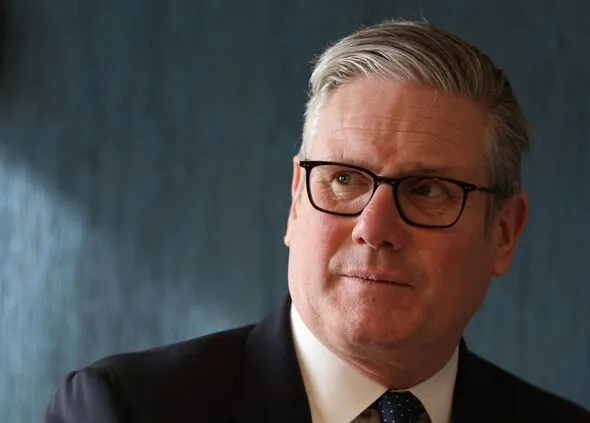
Prime Minister Keir Starmer recently visited the Middle East to discuss the ceasefire with Gulf country leaders. He stated: “I welcome the ceasefire agreement reached overnight, which will bring a moment of relief to the region and the world. Together with our partners we must do all we can to support and sustain this ceasefire, turn it into a lasting agreement and reopen the Strait of Hormuz.”
Iran refuses to permit tankers through the Strait of Hormuz until Israel ceases attacks on Lebanon, heightening global fuel supply risks and UK petrol costs.