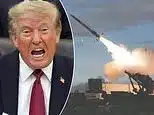
The United States has initiated a significant series of ballistic missile strikes targeting Iranian radar systems and military installations. This action marks a notable escalation in regional tensions, occurring in the wake of recent Iranian attacks on American bases in Jordan.
US Central Command Confirms Retaliatory Action
US Central Command has confirmed the strikes, stating that the military is “hitting back hard” against Iran in response to recent provocations. Reports indicate that approximately a dozen strikes have been carried out, focusing on key Iranian assets along the strategic Strait of Hormuz. The Strait of Hormuz is a vital chokepoint for global oil transit, making any disruption in the area a matter of international concern.
The precise targets of the missile strikes are understood to include Iranian radar installations, which are crucial for air defense and surveillance, as well as other military infrastructure. The objective appears to be degrading Iran’s ability to monitor and potentially interfere with military operations in the region, particularly those involving the United States and its allies.
Heightened Security Warnings Issued to US Citizens
Coinciding with the military action, U.S. embassies located throughout the Middle East have issued updated security advisories to American citizens residing in or traveling through the region. These warnings highlight the volatile security environment, characterized by the potential for rapid and unpredictable escalation of hostilities. Embassies in Qatar, Israel, and Jordan were among those that disseminated these alerts.
The advisories urge U.S. nationals to maintain a high level of vigilance. They also advise preparedness for a range of potential travel disruptions, including the possibility of sudden flight cancellations, the closure of airspace, and other unforeseen logistical challenges. The warnings underscore the dynamic and potentially dangerous nature of the current geopolitical climate in the Middle East.
Background of Escalating Tensions
The recent U.S. missile strikes follow a series of Iranian actions that have heightened tensions. Specifically, Iranian forces launched attacks on American bases situated in Jordan over the preceding weekend. These attacks, though details on their full impact are still emerging, prompted the U.S. military response. The exchange represents a significant development in the ongoing friction between the two nations, which has broader implications for regional stability.
The Strait of Hormuz, a narrow waterway connecting the Persian Gulf to the Gulf of Oman, is of immense strategic importance. Approximately one-fifth of the world’s total oil consumption passes through this waterway daily. Any military activity or disruption in this area carries the potential to significantly impact global energy markets and international trade routes. The U.S. has historically maintained a strong naval presence in the region to ensure freedom of navigation and deter aggression.
Regional Implications and International Response
The latest developments are likely to draw international attention and concern. Regional powers and global organizations will be closely monitoring the situation for any signs of further escalation or de-escalation. The United States has consistently stated its commitment to the security of its allies in the Middle East and to maintaining stability in the region. However, direct military confrontation with Iran carries inherent risks of wider conflict.
The advisories issued to U.S. citizens reflect a proactive approach by diplomatic missions to ensure the safety and security of nationals abroad. Such warnings are typically based on intelligence assessments and are designed to provide actionable information to help individuals mitigate risks. The potential for travel disruptions, as mentioned in the advisories, highlights the interconnectedness of regional security and international travel.
Future Outlook
The trajectory of future events remains uncertain. The U.S. military’s stated intention to “hit back hard” suggests a willingness to respond decisively to further Iranian aggression. Conversely, Iran’s actions leading up to this point indicate a readiness to challenge U.S. interests and those of its allies in the region. The coming days and weeks will be critical in determining whether this exchange leads to a sustained period of heightened conflict or if diplomatic channels can be leveraged to restore a measure of calm.
International diplomatic efforts may intensify in an attempt to prevent further escalation. The involvement of regional players, each with their own strategic interests, adds further complexity to the situation. The global community will be looking for clear communication and de-escalatory measures from all parties involved to avert a broader crisis.
In conclusion, the U.S. missile strikes on Iranian military targets represent a significant military response to recent attacks. Coupled with heightened security warnings for Americans in the Middle East, these actions underscore the precarious state of regional security. The focus now shifts to how Iran will respond and whether diplomatic efforts can mitigate the risk of further escalation.