A controversial proposal by Westminster Council to ban standing at the bar and ordering drinks directly from the bar in pubs and bars across its busy nightlife districts, including Soho and the West End, has ignited a fierce debate. The council suggests these measures are part of a draft licensing policy aimed at curbing drunkenness by encouraging patrons to sit down and consume food with their alcohol.
Proposed Policy and Its Aims
The draft policy, which seeks to redefine the traditional pub experience, proposes prohibiting what it terms “vertical drinking” – standing to consume alcohol – and disallowing customers from placing orders directly at the bar. Officials from Westminster Council state the intention behind these proposed changes is to foster a more controlled environment, reduce public intoxication, and encourage a culture where drinking is accompanied by food, presumably at seated tables.
This approach, according to proponents within the council, is designed to enhance public safety and improve the overall atmosphere in areas known for their vibrant, and at times, boisterous, nightlife. The policy aims to shift the focus from quick service at the bar to a more leisurely, seated experience, potentially increasing dwell time and encouraging patrons to engage more with food offerings.
Mayor of London’s Strong Opposition
The proposed ban has faced immediate and strong condemnation from the Mayor of London, Sadiq Khan. He has labelled the guidelines as “restrictive and anti-growth,” expressing his intent to utilize new government powers to challenge and block what he perceives as an overreach by the local council. Mayor Khan argues that such measures would stifle the hospitality sector and negatively impact the unique character of London’s nightlife.
“This is a Big Brother assault on the honest British boozer,” stated a representative for the Mayor’s office, echoing sentiments that the policy is overly intrusive and out of step with established cultural norms. The Mayor’s office has pledged to fight the proposals, emphasizing the importance of supporting businesses and maintaining the traditional pub atmosphere that is cherished by many.
Criticism: Attacking the ‘Theatre of Drinking’
Critics argue that the proposed ban strikes at the heart of what makes the British pub experience unique and enjoyable. For centuries, the act of approaching the bar, catching the bartender’s attention, ordering a drink, and perhaps engaging in brief conversation has been an integral part of pub culture. This interaction, often described as the “theatre of drinking,” is seen by many as a vital social element.
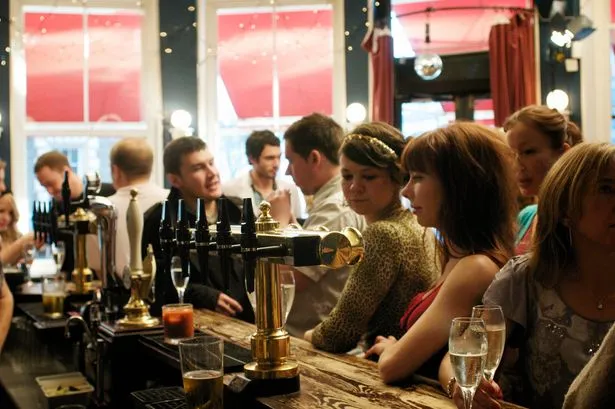
Opponents lament the potential loss of this spontaneous social interaction. They contend that the current system, where patrons stand at the bar, allows for a dynamic social environment where people can easily converse with friends, observe the pub’s atmosphere, and interact with bar staff. This standing culture, they argue, is not merely about convenience but is deeply ingrained in the social fabric of pubs.
The idea of being directed to a table and having drinks served by waiting staff is viewed by some as a less authentic and more formal experience, potentially alienating a significant portion of pub-goers who prefer the casual, self-service nature of ordering at the bar. Concerns have also been raised about the practicalities and potential for increased waiting times if all orders must be taken and delivered by table staff.
Historical Context and Tradition
The traditional British pub has long served as a social hub, a place where communities gather, news is exchanged, and friendships are forged. The act of standing at the bar is intrinsically linked to this historical role. It represents an accessible and egalitarian space, where individuals can easily join groups or strike up conversations.
The image of a patron leaning on a bar, foot resting on a brass rail, engaging in lively conversation, is a familiar and cherished one. Banning this practice, critics contend, fundamentally alters the character of these establishments and disregards a long-standing tradition that many patrons value highly. The proposal is seen by some as an attempt to sanitize a space that has traditionally thrived on its lively, sometimes boisterous, atmosphere.
Economic and Growth Concerns
Beyond the cultural implications, there are significant concerns about the economic impact of such a policy. The hospitality industry, particularly in central London, relies heavily on high turnover and efficient service. Mandating seated service and discouraging standing at the bar could lead to reduced customer throughput, longer queues for tables, and potentially lower revenue for pubs and bars.
Businesses operating in Westminster, a major tourist and entertainment hub, fear that these restrictive measures could deter visitors and negatively impact the local economy. The Mayor’s office has highlighted these “anti-growth” aspects, suggesting that the council’s policy could harm businesses rather than help manage public order.
The Debate Over ‘Drunkenness’ and Control
Westminster Council’s stated aim of reducing drunkenness is a valid public health concern. However, critics question whether banning standing at the bar is an effective or proportionate solution. They argue that focusing on responsible service, staff training, and addressing the root causes of excessive drinking would be more appropriate than imposing broad restrictions on customer behaviour and pub operations.
The debate highlights a tension between maintaining traditional pub culture and implementing measures to manage public spaces. While the council seeks to create a more orderly environment, many believe the proposed policy goes too far, infringing on personal freedom and altering the essential character of British pubs and bars. The outcome of this proposal will likely have significant implications for the future of hospitality in one of London’s most iconic districts.
Conclusion: A Call to Defend Traditional Pub Culture
The proposed ban on standing and ordering at the bar in Westminster represents a significant departure from traditional pub culture. While the council cites public order and reduced drunkenness as its primary motivations, critics, including the Mayor of London, argue that the policy is overly restrictive, economically damaging, and attacks the very essence of the British pub experience. The “theatre of drinking,” characterized by spontaneous interaction at the bar, is seen as a vital social element that risks being lost. As the debate continues, many are rallying to defend the established customs of pubs and bars, emphasizing that tradition and responsible management can coexist.