Homer’s epic poem, The Odyssey, a foundational work of Western literature, is far more than a simple narrative of male heroism. While the protagonist, Odysseus, is undeniably a heroic figure, the intricate plot and his very human struggles are profoundly shaped by the strategic acumen, seductive allure, and powerful influence of the female characters he encounters. These women—goddesses, nymphs, and sorceresses—transform the epic into a complex tapestry of sex, strategy, and power that continues to resonate with audiences nearly three millennia after its creation. The recent cinematic adaptation further highlights this enduring theme.
The Journey Home: A Quest Defined by Female Encounters
The Odyssey chronicles the arduous, decade-long journey of the Greek warrior Odysseus as he strives to return to his kingdom of Ithaca following the Trojan War. This perilous voyage is fraught with challenges, but it is the interactions with formidable female figures that truly dictate the course of his homecoming. The poem opens in medias res, with Odysseus stranded on the island of Ogygia, held captive for seven years by the nymph Calypso. Despite his proven valor on the battlefield, Odysseus appears utterly powerless in this situation, his release ultimately requiring divine intervention from a council of the gods. This initial depiction underscores the theme that even the greatest heroes can be ensnared, not just by external forces, but by their own inertia, a state that modern readers might interpret as a symptom of post-traumatic stress.
Calypso’s hold over Odysseus is significant. He himself admits that Calypso, a divine being, surpasses his mortal wife, Penelope, in beauty. Yet, Penelope, far from being a passive figure awaiting her husband’s return, has been actively and ingeniously defending her position in Ithaca. Facing the relentless advances of 108 suitors eager to claim her hand and the throne, Penelope employs a clever ruse: she claims she must weave a funeral shroud for her father-in-law, Laertes, before remarrying. Crucially, she unravels the tapestry each night, effectively becoming a moving target and delaying the inevitable. Her success in fending off the suitors is directly linked to Odysseus’s ability to reclaim his kingship, demonstrating her vital role in the unfolding narrative.
Divine Intervention and Strategic Deception
Odysseus’s primary divine ally is the goddess Athena, who actively champions his return. She had aided him during the Trojan War and takes the initiative in orchestrating his homecoming. Upon his vulnerable arrival on the shores of the Phaeacians, Athena intervenes once more. She cleverly arranges for his rescue, conceals his weakened state, and enhances his appearance to a god-like stature, ensuring he receives the legendary hospitality of the Phaeacian people. This divine assistance enables him to persuade the seafaring Phaeacians to provide him with shelter, treasures, and a safe passage back to Ithaca.
Significantly, Athena often appears to Odysseus and his son, Telemachus, disguised as a man. She adopts personas such as Mentes, a king friendly to Ithaca, or a male herald. This tactic highlights her understanding that while men hold overt power on earth, women frequently shape events through more subtle means, employing strategy and subterfuge. This theme is echoed in Odysseus’s own recounted encounters with various mythical women.
Enchantresses, Sirens, and the Nature of Temptation
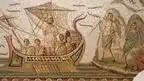
As Odysseus recounts his travels to the Phaeacians, his tales of mythical women are particularly striking, often characterized by a deceptive, non-threatening appearance that masks immense danger. The Sirens, inhabitants of a perilous rocky island, are described not by their fearsome appearance (later traditions depict them as bird-women or mermaids), but by their enchanting, honey-sweet song. This melody possesses the power to lure men to their deaths, leaving behind a meadow strewn with the bones of their victims. Odysseus, aware of the danger, has his men bind him to the ship’s mast, allowing him to hear the haunting music without succumbing to its fatal allure.
Circe, another powerful enchantress, also embodies this duality of beauty and danger. Initially appearing non-threatening, her sweet facade concealed potent magical abilities. She transforms Odysseus’s companions into pigs using her herbs and potions. However, like many figures in his journey, Circe serves a dual purpose. While she becomes Odysseus’s lover, she also facilitates his journey to the Underworld, where he receives crucial guidance from the prophet Tiresias for his eventual homecoming.
Moderation, Human Frailty, and Enduring Relevance
The enduring message from these encounters is that the seductive nymphs and monstrous women of The Odyssey cannot simply be overcome by force. To prevail, Odysseus must engage with them, surrendering to a degree but maintaining critical moderation—a virtue highly prized by the ancient Greeks. These encounters serve as tests of his resolve and his capacity for balance.
Some readers may view Odysseus’s fantastical adventures with skepticism, suspecting he fabricated them to win the Phaeacians’ aid. This interpretation aligns with an allegorical reading, suggesting Odysseus battled internal demons—his own psychological struggles—rather than solely external monsters. These inner conflicts are often more insidious than they appear.
The very slipperiness of Odysseus’s narratives, their imaginative scope and tendency to stretch credulity, forms a significant part of the poem’s magic. This characteristic also defines him as a hero. As translator Emily Wilson notes, Odysseus is “a complicated man.” His mastery of deception, his ability to alter his stories and identities as circumstances demand, mark him as clever, imaginative, and flawed. Ultimately, Odysseus emerges as the most human hero in the ancient Greek world. His susceptibility to seduction, whether by women or by alluring worlds like that of the Phaeacians, is both his strength and his vulnerability, explaining his timeless appeal.
Daisy Dunn, a distinguished classicist and author, explores these themes in her works, including The Missing Thread and the Ladybird Expert Book on Homer. The Odyssey was released in US and UK cinemas on July 17th.