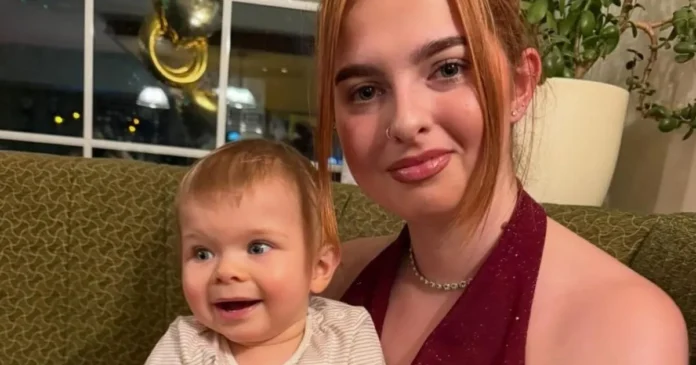
In January 2023, Eloise Milewski and her partner Marli, both 19, sat eagerly in a doctor’s office, ready to start their IVF journey toward parenthood. Their excitement faded quickly when the male doctor appeared uncomfortable, avoiding eye contact and stumbling over terms like ‘couple’ and ‘partners.’ He dismissed their prospects with a shrug, suggesting a years-long wait due to their age.
Initial Hurdles and Determination
Undeterred, the young women switched clinics and found a supportive female doctor, along with welcoming staff thereafter. They had discussed parenthood seriously since ages 17 and 18, entering a civil partnership later that year at 20 after medical staff repeatedly inquired about their marital status.
Friends since age 13, Milewski and Marli began dating at 16 after Milewski confessed her feelings. Initial fears of jeopardizing their friendship or facing judgment dissipated as their families offered support. Milewski’s parents, surprised by her shift from past attractions to boys, fully embraced the couple.
Medical Challenges and IVF Process
Plans for artificial insemination shifted to IVF after tests revealed a blocked fallopian tube, linked to Milewski’s endometriosis and painful periods. Eligible for NHS funding, they navigated counseling, injections, failed attempts, tests, and scans—an intense, emotional ordeal.
Milewski became pregnant in August 2024 during her second fertilization round. At 12 weeks, heavy bleeding prompted a hospital visit, revealing identical twins, one non-viable. The loss brought profound grief, but Freddie arrived safely and healthy.
Public Sharing and Mixed Reactions
Milewski documented the journey on social media, sharing updates on symptoms, hyperemesis gravidarum, injections, setbacks, and joys. Positive responses dominated, though some online critics—often men—questioned the need for a father or their youth. Family reactions varied; one aunt ignored Milewski’s pregnancy announcement while celebrating her straight sister’s.
Future Plans and Advocacy
Now 22, Milewski eyes another implantation using existing frozen embryos, despite no further free IVF eligibility. She recently graduated university, with a wedding planned for early next year and dreams of four children. At 40, she intends to donate remaining embryos to help others.
Their experience highlights barriers for young same-sex couples and those with fertility issues. Milewski and Marli demonstrate that maturity and commitment transcend age, gender, or sexuality in parenting. Society and medicine must adapt to evolving family structures.