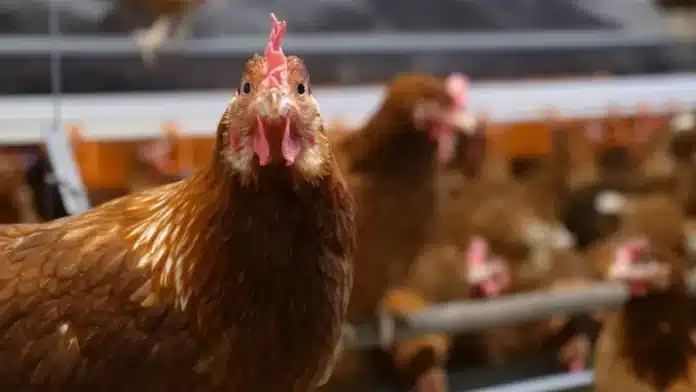
Authorities are recommending that free-range poultry producers temporarily house their birds indoors to mitigate the risk of avian influenza (bird flu) spreading from wild populations. This advisory comes as testing continues on suspected cases of the highly pathogenic H5N1 strain of bird flu in Australia.
Updated Guidance for Poultry Farmers
The Consultative Committee on Emergency Animal Diseases (CCEAD), a federal body providing advice on critical animal health threats, has issued new guidance to state and territory governments. The committee, which met recently, is encouraging them to advise free-range producers to keep their flocks confined indoors whenever it is practical to do so. The primary objective of this measure is to minimize direct contact between commercial poultry and wild birds, which are known carriers of the H5N1 virus.
In a formal statement, the CCEAD described this recommendation as a “time-limited approach” and indicated that the advice would be subject to review within a fortnight. The committee also reiterated the importance of robust on-farm biosecurity practices for all poultry producers in safeguarding flock health.
Current Status of Bird Flu in Australia
As of the latest reports, Australia has confirmed five cases of H5 bird flu. Four of these have been detected in Western Australia, with one case identified in South Australia. Additionally, two suspected cases were identified on the previous day in New South Wales (NSW) and Western Australia.
In NSW, authorities are awaiting laboratory results for a giant petrel discovered deceased on Hawks Nest Beach on the state’s Mid North Coast. Samples from this bird have been submitted to the Commonwealth Scientific and Industrial Research Organisation (CSIRO) for comprehensive testing to determine if it is infected with the highly pathogenic H5N1 avian influenza strain.
The initial detection of bird flu in Australia occurred in June, involving a brown skua seabird found on a Western Australian beach. All confirmed cases in Australia to date have involved migratory seabirds.
Understanding H5N1 Avian Influenza
H5N1 avian influenza, commonly known as H5 bird flu, is a severe viral disease that affects birds globally. A key characteristic distinguishing it from other avian influenza strains is its potential to cause widespread mortality in both domestic poultry and wild bird populations, as well as in mammals, notably marine species.
While current Australian detections have been confined to seabirds, there is a significant concern that the virus could potentially transmit across different species. This cross-species transmission is a major focus of surveillance and preventative efforts.
Expert Perspectives on Preparedness and Risk
Veterinary epidemiologist Dr. Jennifer Manyweathers from Charles Sturt University emphasized that even if current tests return negative results, it should not lead to complacency among producers or authorities. “If it’s not now, then it will come,” Dr. Manyweathers stated, stressing the need for proactive planning and preparedness.
Dr. Manyweathers highlighted that the threat extends beyond commercial poultry to Australia’s native fauna. “Our beautiful native species have never been exposed to this [virus] before, so they will have not have a lot of immunity to the disease,” she explained. “It’s very hard to vaccinate them. We may see mass die-outs, mass deaths in some of our wild species.”
The virus’s demonstrated ability to infect mammals, including seals and domestic pets like dogs and cats, underscores the need for broader public awareness and caution. Dr. Manyweathers advised pet owners to take specific precautions to prevent their animals from coming into contact with potentially infected dead birds.
- Leash Use: Keeping dogs on a lead during walks is crucial to prevent them from investigating or interacting with deceased birds.
- Hygiene: Thoroughly wash hands after any potential contact with animals or environments where birds may be present.
Risk to Human Health and Public Action
The risk of H5N1 avian influenza transmission to humans is considered low. However, human infections can occur, and individuals can potentially transmit the virus. Public health authorities urge the public to exercise caution and report any sightings of sick or deceased birds immediately.
Key recommendations for the public include:
- Do Not Touch: Avoid touching or moving any sick or dead birds.
- Report Findings: Immediately notify relevant wildlife or agricultural authorities about the discovery.
- Pet Safety: Ensure pets do not interact with deceased birds.
- Personal Hygiene: Practice good hand hygiene, especially before eating or touching your face, similar to precautions taken during seasonal flu outbreaks.
By implementing these measures, authorities aim to contain the spread of H5N1 bird flu, protect commercial poultry industries, and safeguard native wildlife populations while maintaining a low risk to public health.