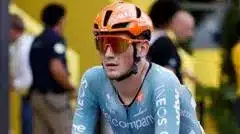
Cyclist Josh Tarling is set to participate in the upcoming Vuelta a España, a major Grand Tour cycling race, which commences this Saturday. The decision comes just days after the tragic death of his younger brother, Finlay Tarling, during the Volta a Portugal. Finlay, aged 19, lost his life in a collision with a van that had veered onto the race route during the eighth stage of the Portuguese event.
A Difficult Decision for Josh Tarling
Josh Tarling, a 22-year-old time trial specialist, will ride for his team, Netcompany-Ineos. His participation in the Vuelta a España marks a significant moment, balancing personal grief with professional commitment. The team’s leadership has emphasized their full support for Josh’s choice to compete.
Geraint Thomas, a fellow Welshman and former Tour de France winner who rides for the same team, commented on the situation, stating that the decision to race was entirely Josh’s. He added, “It goes without saying that, as a team, we all fully support Josh in his decision to take part in the race.” This sentiment underscores the team’s understanding and solidarity during a profoundly difficult time for the Tarling family.
Renewed Focus on Cycling Safety
Finlay Tarling’s untimely death has reignited discussions and calls for enhanced safety measures within professional cycling. The incident, involving a high-speed collision with a vehicle on the race course, has prompted widespread concern among riders, teams, and governing bodies. Cyclists are increasingly vocal about the inherent risks in the sport and the need for stricter protocols to prevent future tragedies.
Among those advocating for greater safety is Dutch cyclist Lorena Wiebes, a rider for SD Worx-Protime and the winner of stage one of the Tour of Britain Women. Wiebes, like many others in the peloton, has expressed the urgent need for improved safety standards to protect athletes from the dangers they face on the road. These calls often focus on aspects such as race route security, vehicle access, and speed management during critical race moments.
Key Areas for Safety Improvement Discussed:
- Enhanced security of race routes to prevent unauthorized vehicle or pedestrian access.
- Stricter regulations regarding support and media vehicles within the race convoy.
- Review of speed limits and safety protocols on descents and high-speed sections.
- Improved communication systems between race organizers, teams, and riders regarding potential hazards.
- Consideration of alternative race formats or course designs in high-risk areas.
The cycling community is grappling with how to balance the thrill and demands of professional racing with the paramount need to ensure rider well-being. The tragic events have amplified the urgency for concrete actions and policy changes to address these long-standing safety concerns.
The Vuelta a España: A Grand Tour Challenge
The Vuelta a España, one of cycling’s three Grand Tours, presents a formidable challenge for any competitor. This year’s edition is scheduled to begin on August 22nd in Monaco and will conclude on September 13th. The race covers thousands of kilometers across varied terrain, testing riders’ endurance, strength, and tactical acumen.
For Josh Tarling, competing in such a prestigious event so soon after his brother’s death will undoubtedly require immense mental fortitude. His participation serves as a testament to his resilience and dedication to the sport, even as the cycling world collectively mourns a young talent lost too soon and renews its commitment to improving safety for all its athletes.
Looking Ahead
The Vuelta a España will not only be a test of athletic prowess but also a poignant reminder of the risks involved in professional cycling. The ongoing dialogue surrounding rider safety is expected to continue throughout the race and beyond, as the sport seeks to implement meaningful changes. Josh Tarling’s presence in the peloton, under these somber circumstances, highlights the complex intersection of passion, performance, and the ever-present need for safety in elite cycling.