
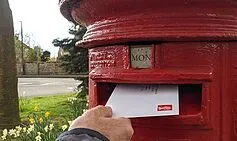
Royal Mail, the United Kingdom’s primary postal service, handles approximately 6.7 billion letters annually. To ensure these items reach their destinations efficiently and without issue, the company provides specific guidance on how to prepare envelopes and parcels. Adhering to these recommendations can significantly reduce the risk of delays or lost mail, a crucial consideration for the millions who rely on this service.
Key Guidelines for Addressing Mail
The core principle behind Royal Mail’s advice is clarity and legibility, particularly for the automated sorting systems that process the vast majority of mail. These machines are designed to scan and read addresses quickly, but they can be easily confused by certain writing methods or materials.
Handwriting vs. Printing
Whether addressing an envelope by hand or using a printer, the instruction remains consistent: the address must be clear and easy to read. This means using legible handwriting or a standard, easily decipherable font if printing. Illegible addresses are a primary cause of sorting errors and subsequent delays.
Choosing the Right Writing Implement
One of the most frequently overlooked aspects of addressing mail is the choice of writing tool. Royal Mail specifically advises against using a pencil.
- Why Pencils Are Problematic: Pencils use graphite, which reflects light differently than ink. This can cause issues for the automated scanners, potentially leading to misreads or complete failure to register the address. While mail written in pencil may still be delivered, its journey is more likely to be interrupted.
- The Risk of Smudging: Beyond scanning difficulties, pencil marks are prone to smudging. As envelopes jostle against each other during transit and sorting, pencil addresses can become blurred and unreadable, further increasing the chance of delivery failure.
- Recommended Tools: For optimal results, Royal Mail suggests using a pen or ink that provides a clear contrast against the envelope’s colour. Black or blue ink is generally considered the safest and most reliable choice, especially when used on lighter-coloured envelopes or labels.
Ink Considerations for Different Envelope Colours
The contrast between the ink and the envelope colour is paramount for automated sorting systems. This principle applies universally, regardless of whether the address is handwritten or printed.
- High Contrast is Key: The postal service emphasizes that a significant difference in shade between the ink and the paper is critical for the machines to accurately scan the address.
- Dark Envelopes: For envelopes that are dark in colour, such as some greeting cards or specialty stationery, it is advisable to use a lighter ink. White ink is often the best option for dark backgrounds to ensure maximum readability for the sorting machines.
- Avoiding Ink Run: Royal Mail also cautions against using gel pens or fountain pens. The ink from these types of pens is more susceptible to running if the envelope becomes damp during its journey, which could render the address illegible.
The Importance of Accurate and Complete Addresses
Beyond the method of writing, ensuring the address itself is complete and accurate is fundamental. This includes:
- Full Address Details: Include the recipient’s full name, house number and street name, town or city, and the correct postcode. A missing or incorrect postcode is a common reason for delays.
- Clear Placement: The address should be written or printed clearly in the lower half of the envelope, typically on the side opposite the stamp. Avoid placing it too close to the edges or over any security features or windows.
- Return Address: While not always mandatory for delivery, including a return address in the top-left corner is good practice. This allows mail to be returned to the sender if it cannot be delivered for any reason.
Conclusion: Simple Steps for Smooth Delivery
By following these straightforward guidelines – using a pen with contrasting ink, ensuring legibility, and providing complete address details – individuals can significantly improve the chances of their mail being sorted efficiently and delivered promptly. These practices not only benefit the sender by reducing the risk of lost or delayed items but also support the smooth operation of Royal Mail’s extensive delivery network.