
As the UK transitions from summer’s peak heat to the cooler, more temperate days of autumn, conditions become ideal for a tiny, yet troublesome, arachnid: the harvest mite. These microscopic creatures, often unseen by the naked eye, are particularly active in September and October, leading to intensely itchy bites for humans and pets across the country. Understanding their behaviour, symptoms of bites, and effective treatment is key to navigating this seasonal nuisance.
Understanding the Harvest Mite
Harvest mites, scientifically known as Neotrombicula autumnalis, belong to the same family as spiders and ticks. They are minute, typically measuring between 0.2mm and 1mm in length, and are often a vibrant red or orange colour. These arachnids inhabit various environments, including soil, woodlands, fields, tall grasses, and overgrown gardens. Their life cycle is closely tied to the seasons; eggs laid in the soil the previous year hatch into larvae during the late summer and early autumn, coinciding with the period when they are most likely to encounter hosts.
The parasitic nature of the harvest mite becomes apparent once they attach to a host, which can be animals or humans brushing against vegetation where the mites reside. Upon attachment, the mites inject digestive enzymes into the host’s skin. These enzymes break down skin cells, liquefying the tissue, which the mite then consumes. This feeding process is what causes the characteristic irritation associated with harvest mite bites.
Identifying Harvest Mite Bites
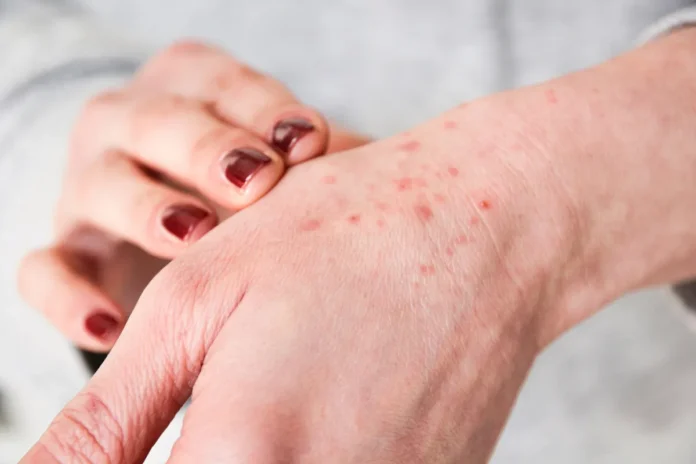
Due to their minuscule size, spotting a harvest mite itself is nearly impossible without magnification. The primary indicator of an encounter is the onset of intense itching, which typically begins around 24 hours after the mites have attached. These bites often manifest as small, red bumps that can resemble pimples, blisters, or hives.
According to health information sources, the bites are commonly found in areas where skin folds are warm or where clothing might constrict, such as around the waist, ankles, and other creases of the body. These spots frequently appear in clusters and tend to grow larger and itchier over several days, a condition sometimes referred to as trombiculosis. While these bites can be extremely uncomfortable, it is important to note that harvest mites found in the UK do not transmit diseases to humans. This contrasts with some species in other parts of the world, such as East Asia and the South Pacific, where related mites can cause serious illnesses like scrub typhus, or in the USA, where chigger bites have been linked to conditions like summer penile syndrome.
Effective Treatment for Harvest Mite Bites
Fortunately, the discomfort caused by UK harvest mite bites is temporary and generally resolves on its own. Medical advice indicates that the red, itchy welts typically heal within one to two weeks. During this period, managing the itching is the primary goal of treatment.
Several remedies can help alleviate the symptoms:
- Cool Compresses: Applying an ice pack wrapped in a cloth or a clean cloth soaked in cold water to the affected area for at least 20 minutes can provide significant relief from itching and swelling.
- Antihistamines: Over-the-counter antihistamine medications can help reduce the allergic reaction causing the itch.
- Hydrocortisone Cream: Topical hydrocortisone creams can be applied to the bites to decrease inflammation and soothe the itching.
- Avoid Scratching: It is crucial to resist the urge to scratch the bites. Scratching can break the skin, leading to secondary bacterial infections.
While home remedies might seem appealing, it is generally advised to steer clear of unproven or potentially irritating treatments. If pain is a significant issue, or if pus or fluid begins to drain from a bite, consulting a pharmacist is recommended. For persistent or worsening symptoms, or if other concerning issues arise such as stomach pain, sickness, dizziness, or fever, seeking medical advice by calling NHS 111 is advised.
Preventing Harvest Mite Bites
Prevention is always better than cure when it comes to harvest mites. Taking simple precautions can significantly reduce the risk of being bitten, especially when spending time in areas known to harbour these mites.
- Cover Up: Wearing long sleeves, trousers, and socks when walking through tall grass, fields, or overgrown gardens can create a physical barrier against the mites.
- Insect Repellent: Applying insect repellent containing DEET or picaridin to exposed skin and clothing may help deter the mites.
- Post-Exposure Hygiene: After spending time outdoors in potential mite habitats, showering or bathing as soon as possible can help wash off any mites that may have attached but not yet started feeding. Washing clothes worn outdoors in hot water can also help kill any remaining mites.
Protecting Pets from Harvest Mites
Pets, particularly dogs, are also susceptible to harvest mite bites and can be more vulnerable due to their tendency to explore grassy and wooded areas. Owners should be vigilant for signs of discomfort in their pets, such as excessive itching, licking, or biting at their skin, along with visible redness or inflammation.
If a pet shows these symptoms, especially if they are accompanied by more severe signs like vomiting, diarrhoea, lethargy, a raised temperature, or muscle tremors, it is essential to consult a veterinarian promptly. These more severe symptoms could indicate Seasonal Canine Illness (SCI), a rare but serious condition that has been linked to harvest mites.
Veterinary advice suggests that while complete eradication of mites at home is not feasible, certain measures can help manage symptoms while awaiting professional care:
- Soothing Baths: Bathing a dog with a gentle, soothing shampoo containing ingredients like Ophytrium can help reduce inflammation and calm itchy skin.
- Antiseptic Shampoos: If the pet has broken skin from scratching, shampoos containing chlorhexidine can help disinfect the area and manage potential bacterial or yeast infections.
- Flea and Tick Treatments: Ensuring pets are up-to-date with their regular flea and tick preventative treatments can also offer a layer of protection, as some treatments may help deter harvest mites.
By understanding the risks and implementing appropriate preventive and treatment strategies, individuals and pet owners can better manage the impact of harvest mites during their peak season in the UK.