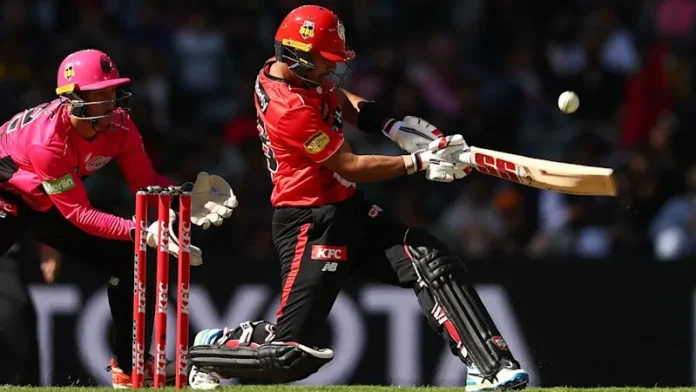
Cricket NSW has voiced strong opposition to Cricket Australia’s (CA) decision to sell the Melbourne Renegades and permit broader private investment in Big Bash League (BBL) clubs. The state association argues this move could jeopardize funding for grassroots cricket and negatively impact the sport’s strategic and financial future in Australia.
Cricket NSW Expresses Disappointment and Concern
In a statement released on Wednesday, Cricket NSW chair John Knox and chief executive Lee Germon expressed their disappointment with CA’s decision, emphasizing a lack of alignment across the Australian cricket landscape. “This decision risks leaving cricket in NSW and Australia strategically and financially worse off, with direct consequences for our ability to invest in grassroots cricket,” the statement read. Cricket NSW maintains that both the men’s and women’s BBL leagues are vital for driving participation and fan engagement.
The announcement by CA, made at the Sydney Cricket Ground (SCG), was reportedly conducted without the SCG in the background at Cricket NSW’s request, highlighting the existing tensions between the two bodies. CA and Cricket NSW have engaged in extensive discussions to resolve their differences, including meetings attended by CA chair Mike Baird and CEO Todd Greenberg with the Cricket NSW board. Despite these efforts, neither side has swayed from its position.
Impact on Grassroots Cricket Funding
A central tenet of Cricket NSW’s objection revolves around the potential diversion of profits away from community cricket initiatives. The association argues that redistributing revenue to external investors will diminish their capacity to invest in programs for young players and local clubs. “The redistribution of profits to external investors reduces our ability to invest in community cricket, creating long-term impacts at all levels,” Cricket NSW stated. They highlighted their own success, noting that profits from their BBL clubs, the Sydney Sixers and Sydney Thunder, are reinvested into growing participation. This strategy has reportedly led to an 80% increase in participation among 5-to-12-year-olds over the past four years and accounts for one-third of contracted players nationally coming from NSW.
Concerns Over Decision-Making Process
Beyond the financial implications, Cricket NSW also expressed dissatisfaction with the process that led to CA’s decision. They claim to have raised concerns directly with CA, proposed alternative strategies to enhance the BBL, and outlined significant risks associated with the private investment model, supported by external expert advice. Furthermore, Cricket NSW pointed out that four pre-conditions for a sale process, which were unanimously agreed upon by all state chairs in June, have not been met. “The Cricket NSW board is also disappointed by the process leading to this decision,” the statement read.
Cricket Australia’s Rationale and Safeguards
Cricket Australia, represented by chair Mike Baird and CEO Todd Greenberg, has defended the decision, asserting that private investment will be managed with stringent controls to protect the primacy of Test cricket. Baird acknowledged potential risks but emphasized that safeguards would be put in place for any incoming investors. “We will be very clear upfront that if you want to participate, here are all the protections that we have, and anyone coming in, that’s what they’ll be,” Baird said. He further clarified that while private investors might have input into the day-to-day running of the competition, CA would retain control over the league and its schedule.
CA’s proposed “self-determination model” allows individual states to decide on their own approach to private investment. The sale of the Melbourne Renegades to Cricket Victoria marks the first step in this direction. However, Cricket NSW remains firm in its stance, vowing to continue working with CA to ensure the game’s prosperity in their state and nationally, while advocating for a robust and equitable cricket system.
The Strength of the BBL and WBBL
Cricket NSW underscored the current strength and appeal of the BBL and WBBL. They cited the BBL as Australia’s most-watched and second-highest attended sports league per game, referencing record crowds and memorable moments from the previous season. The WBBL, in particular, is credited with attracting top international talent and inspiring a new generation of female cricketers. The association believes that maintaining ownership of BBL clubs allows for the direct reinvestment of profits into growing the game at all levels, a model they see as crucial for long-term sustainability and development.
Future Implications and Cricket NSW’s Stance
The disagreement highlights a fundamental difference in vision between Cricket Australia and Cricket NSW regarding the future commercial model of the BBL. While CA seeks to leverage private capital for expansion and potentially greater financial returns, Cricket NSW prioritizes maintaining control and ensuring that revenue streams continue to support grassroots development. The ongoing debate and differing viewpoints suggest that the path forward for BBL club ownership and investment will likely remain a contentious issue within Australian cricket.
Cricket NSW reiterated its commitment to its members, participants, volunteers, and fans, stating its intention to work collaboratively with Cricket Australia. However, their continued emphasis on the potential negative impacts on grassroots cricket and the integrity of the decision-making process signals that their opposition is unlikely to wane without significant concessions or a change in CA’s strategy.