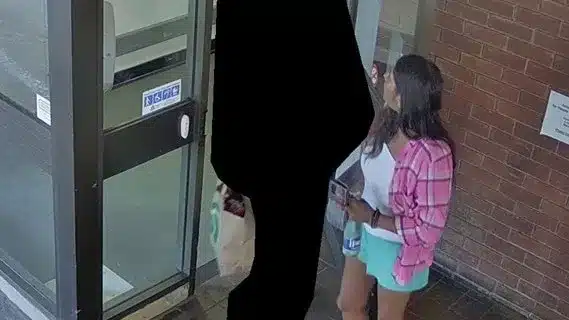
A significant debate unfolded within the City of Hobart council chambers concerning allegations against Deputy Lord Mayor Zelinda Sherlock regarding the removal of snacks and drinks from council premises. The matter, which has led to a closed-door meeting and calls for investigation, has ignited discussions about transparency, conduct, and the potential for politically motivated actions ahead of upcoming elections.
Council Meeting Addresses Snack Allegations
Councillors at the City of Hobart convened for a closed-door session to discuss a motion that called for an investigation into the conduct of Deputy Lord Mayor Zelinda Sherlock. The motion, reportedly tabled by councillors Louise Elliot, John Kelly, and Will Coats, along with alderman Marti Zucco, also sought the involvement of the director of local government and potentially Tasmania Police. Details of the meeting’s proceedings and its outcome remain confidential due to strict rules governing closed council sessions under the Tasmanian Local Government Act.
Lord Mayor Anna Reynolds emphasized the legal ramifications of disclosing information discussed in closed council meetings. “We do have a current law which is the Local Government Act of Tasmania – it has very strict rules around the disclosure of information,” she stated. “It has penalties, and that can include dismissing a councillor and/or someone not being able to run for seven years if we disclose information that’s in a closed council agenda.” Reynolds added that the matter should be handled by the relevant external agencies rather than the council itself, suggesting it was not primarily a political issue.
Deputy Lord Mayor’s Actions and Previous Findings
Deputy Lord Mayor Zelinda Sherlock has acknowledged taking snacks and drinks from the Town Hall council lounge over several years and has offered an apology for her actions. Previously, she had referred the matter to the Integrity Commission. However, the commission determined that her conduct did not constitute misconduct and opted not to proceed with an investigation.
Despite the Integrity Commission’s finding, the recent motion aimed to prompt a further review by the director of local government. The acting director, Luke Gregory, had previously indicated that a referral was not necessary as his office was already aware of the situation and it had been passed on to the police. The specific nature of the items taken and the duration of the practice have become central points of contention.
CCTV Footage and Shifting Perspectives
The release of CCTV footage showing Cr Sherlock leaving the Town Hall with shopping bags containing items reportedly taken from the premises appears to have influenced some councillors’ views. Councillor Ben Lohberger, initially believing the issue to be minor, expressed a change of heart after viewing the footage. “Honestly before that, I thought it was just a few bottles of soft drink and a few chocolate bars here and there. I thought it was a big beat up,” Lohberger commented. “But it does appear that entire bag loads of items have been removed, and I actually think that’s unacceptable.”
However, Lohberger also voiced a desire to move past what he termed “manufactured crises,” particularly in light of the approaching council elections. He stressed the importance of focusing on the core business of the council rather than getting bogged down in disputes that could be amplified by the election campaign.
Political Context and Upcoming Elections
The City of Hobart council is understood to be divided into two informal factions. The larger group is generally aligned with Lord Mayor Reynolds and Deputy Lord Mayor Sherlock, often described as progressive or left-leaning. Councillor Elliot is associated with a smaller, more conservative faction. This division adds a layer of political complexity to the debate over the snack saga.
The timing of this controversy is particularly sensitive as council elections are scheduled for October. Furthermore, Lord Mayor Anna Reynolds is set to resign in August, which will see Deputy Lord Mayor Sherlock temporarily assume the role of acting mayor until the elections. Sherlock is also seeking re-election as deputy lord mayor, running on a Greens ticket. State Greens leader Rosalie Woodruff has publicly supported Sherlock, highlighting her community advocacy and experience, while cautioning against the “weaponisation” of office for political purposes and decrying “toxic language” from some councillors.
Future Implications and Council’s Path Forward
The ongoing debate over the snack incident raises questions about accountability, transparency, and the conduct expected of elected officials. The strict confidentiality rules surrounding closed council meetings, while intended to protect sensitive information and prevent undue political interference, also limit public understanding of council deliberations.
As the City of Hobart navigates this situation, the focus remains on the decisions of external agencies like the director of local government and Tasmania Police. The outcome of their reviews, if any, will likely shape the future course of action. Simultaneously, the council must contend with the internal political dynamics and the approaching election period, which may further influence how this matter is perceived and discussed by both councillors and the public. The emphasis for many remains on ensuring that council business proceeds efficiently and effectively, despite the distractions of such controversies.