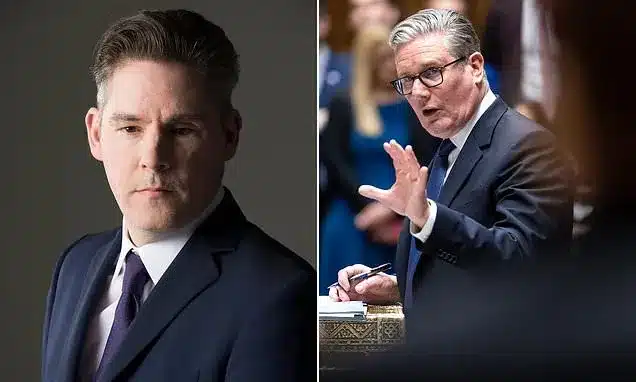
Recent developments within the Labour Party indicate growing pressure on Prime Minister Keir Starmer to step down. Cabinet members and senior figures have publicly and privately distanced themselves from key decisions, signaling a potential leadership change.
Key Public Statements from Cabinet Members
During a GMB interview, Energy Secretary Ed Miliband conceded that Peter Mandelson’s appointment was inappropriate. Leaning forward, he stated, ‘Yeah, it’s a fair point. He shouldn’t have been appointed. That is right.’
Scottish Secretary Douglas Alexander broke ranks by noting there are ‘no certainties’ about Starmer leading Labour into the general election. Foreign Secretary Yvette Cooper expressed concern over an attempt to appoint Matthew Doyle, Starmer’s former communications director with ties to a convicted paedophile, without Foreign Office knowledge or her predecessor David Lammy’s awareness. ‘I am, of course, extremely concerned at any suggestion that the permanent secretary or permanent under-secretary of the Foreign Office would be told not to inform the Foreign Secretary,’ Cooper said. ‘As for the case that the honourable Member raised, I can confirm that it would also not have been an appropriate appointment.’
Work and Pensions Secretary Pat McFadden, often seen as a stabilizing figure, declined to support the sacking of Sir Olly Robbins. ‘I think very highly of him,’ McFadden remarked.
Private Criticisms and Leaks
Behind closed doors, ministers including David Lammy, Shabana Mahmood, Wes Streeting, and Rachel Reeves have voiced criticism of the Robbins dismissal, within the Cabinet.
Shifting Mood in the Labour Party
The past 72 hours have accelerated discussions about Starmer’s future. One Cabinet minister indicated that change is imminent after the local elections, emphasizing the need for a dignified exit to avoid party division. Another noted that recent events, including the Iran situation, have solidified the view that Starmer cannot continue.
Sources confirm that perceptions have shifted from internal No. 10 structures to broader doubts about Starmer’s capabilities. Hopes of rebooting his premiership through international affairs, such as the Iran conflict, have faded. Voters prioritize domestic issues like immigration over foreign policy maneuvers.
Plans for a relaunch tied to the King’s Speech have been abandoned due to ongoing Mandelson document revelations, with officials now focusing on short-term survival.
Two Scenarios Under Active Discussion
Ministers are weighing two paths forward. The first involves a swift transition to a caretaker leader from the Cabinet, with names like John Healey, Pat McFadden, Hilary Benn, Yvette Cooper, and Bridget Phillipson in consideration, pending parliamentary Labour Party approval.
The second option sees Starmer remain until Labour’s September conference, allowing campaigns by Wes Streeting, Angela Rayner, Ed Miliband, and potentially Andy Burnham to gain traction while giving members ownership of the process.
With local elections looming as a likely setback for Labour, sources anticipate a structured removal process soon after, marking the end of Starmer’s tenure.