
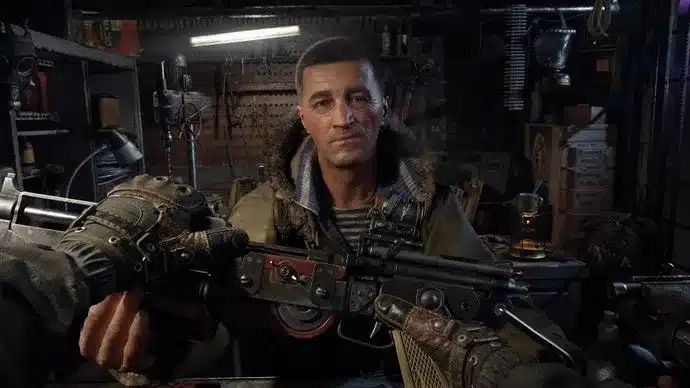
Metro 2039, the latest installment in the post-apocalyptic first-person shooter series developed by 4A Games, marks a deliberate return to the claustrophobic, survival-focused gameplay that defined its earliest entries. This new chapter, set in a ravaged Moscow, blends the atmospheric, tunnel-dwelling tension of Metro 2033 and Metro: Last Light with some of the more open-ended exploration elements introduced in Metro Exodus. Early impressions suggest a game that successfully recaptures the series’ signature dread while offering fresh incentives for players to venture off the beaten path.
A Familiar Yet Evolving Atmosphere
The game plunges players back into the role of a lone survivor, this time a sternly voiced character known only as the Stranger, as Artyom and his companions from Metro Exodus are no longer central figures. The initial gameplay experience, centered around the underground settlement of Sevastopolskaya, immediately evokes the series’ hallmark environmental storytelling. This subterranean village is rendered with meticulous detail, creating a palpable sense of oppressive atmosphere akin to previous station-housed communities. The contrast between the cramped, dimly lit tunnels and the desolate, war-torn surface remains stark. While the underground is filled with the unsettling sounds of mutated creatures and the low hum of survival, the surface world is a symphony of dread, punctuated by the mournful howl of the wind and the incessant, chilling tick of a Geiger counter.
This return to form is not without its advancements. The gunplay in Metro 2039 feels tighter and more responsive than in its predecessor, Metro Exodus. The audio design contributes significantly to this, with each weapon discharge, mutant growl, and environmental cue resonating with impactful clarity. A standout addition to the arsenal is a powerful compressed air rifle, which proves exceptionally effective for silent takedowns and dispatching mutated threats with precision, especially when aiming for critical headshots. Despite these improvements, much of the close-quarters combat in confined spaces echoes the tactical, often desperate firefights seen in Metro: Last Light, offering functional but not entirely novel engagement.
Stealth, Puzzles, and Psychological Horror
Beyond conventional combat, Metro 2039 appears poised to incorporate more varied gameplay mechanics. One particularly memorable section of the demo eschewed shooting entirely, opting instead for a segment focused on environmental puzzles and psychological horror. This foray into the supernatural, set within an abandoned school, leaned heavily on classic horror tropes, including spectral apparitions and unsettlingly animated objects. While this particular attempt at inducing terror, featuring familiar ghostly child imagery, may not resonate with all players, it signals the developers’ intention to explore the Stranger’s more troubled psyche and tragic backstory, a departure from Artyom’s narrative arc.
The developers have retained elements of Metro Exodus‘s level design philosophy, allowing for more freedom of exploration even within the game’s predominantly linear structure. The surface excursions, for instance, feature sprawling, overgrown sections of ruined Moscow that function as mini-hubs. These areas offer optional paths for scavenging and exploration, encouraging players to deviate from the main story objectives. The aforementioned haunted school, it was later revealed, was an entirely optional area, highlighting the game’s design that rewards curiosity. Similarly, exploring derelict buildings inhabited by ‘Humanimals’—mutant creatures with distinct weaknesses, such as light sensitivity and a tendency to sleep while standing—provided some of the demo’s most intense stealth sequences, demanding careful movement and tactical patience.
Resource Management and Narrative Depth
The incentive for venturing into these optional areas is primarily the acquisition of crafting materials. The robust crafting system from Metro Exodus returns in Metro 2039, allowing players to fashion and upgrade their gear using scavenged components. While the concept of finding scrap metal and basic supplies might seem mundane, the game excels at making these resources feel valuable. Players are frequently pushed to the brink of their supplies, particularly gas mask filters, creating a constant sense of urgency and careful planning. The demo often left the player with critically low filter counts, underscoring the importance of diligent looting and resourcefulness.
As supplies dwindle, players are faced with agonizing decisions: should they spend precious crafting materials on vital ammunition, or invest in more filters to extend their exploration time? This system, while not groundbreaking, effectively heightens the survival stakes. The game’s narrative also appears to be deepening, with hints of a significant antagonist known as the ‘Fuhrer,’ who embodies divisive ideologies. More compellingly, Metro 2039 seems poised to offer a potent dose of political commentary, drawing parallels between the Metro universe’s allegorical conflicts and the real-world geopolitical events impacting the developers’ home country. This potential for a AAA shooter to directly address contemporary conflicts, rather than merely serving as jingoistic entertainment, presents a unique and potentially powerful aspect of the game.
Conclusion: A Promising Blend of Old and New
While Metro 2039 may tread familiar ground with its desolate environments and scarcity-driven survival mechanics, 4A Games’ mastery of creating oppressive, lived-in worlds remains unparalleled. The game successfully marries the claustrophobic intensity of its predecessors with refined gameplay mechanics and optional exploration avenues. The introduction of more psychological horror elements and a renewed focus on political themes, potentially reflecting current global events, suggest that Metro 2039 could offer more than just another grim survival experience. It presents a compelling vision for the series, one that honors its roots while daring to engage with contemporary issues, making it a highly anticipated release for fans and newcomers alike.