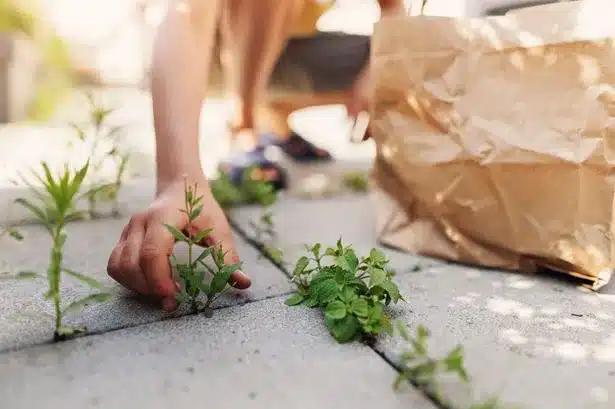
Effective Natural Weed Control for Patios and Paths
Gardeners often face the persistent challenge of weeds rapidly returning to patios and paved areas, sometimes appearing worse than before. While regular maintenance like hoeing and thorough soil preparation is recommended, many are seeking natural alternatives to commercial weedkillers, particularly those containing glyphosate which require careful handling.
Boiling Water: A Simple and Eco-Friendly Solution
A surprisingly effective method for tackling unwanted growth involves a common household item often discarded: the water used for boiling vegetables. This liquid, when still hot, can be a powerful tool for eliminating weeds, especially in areas where nearby desirable plants are not a concern, such as on paths and paving.
How to Use Boiling Vegetable Water
Simply pour the hot water directly onto the weeds. This technique is particularly useful for isolated patches or along paved surfaces. If using it in garden borders, exercise caution to avoid drenching plants you wish to keep. This method offers an energy-saving approach by repurposing water already used for cooking.
Experts describe this method as “very easy, convenient and cheap,” making it an ideal choice for maintaining clean paths, patios, and driveways, as well as cracks in paving.
Other Natural Weed-Busting Alternatives
Lemon Juice Power
The acidity in lemon juice, specifically citric acid, can cause weeds to shrivel. This is a suitable option for paths, paving, and driveways. For best results, use the juice of five or more lemons, or opt for bottled lemon juice for quicker application.
Salt: A Targeted Approach
Salt (sodium chloride) can be an effective weed killer but must be used with extreme care. While it can dehydrate and kill weeds, it is harmful to other plants and can alter soil pH. Therefore, its use is strictly recommended for paths and paving only, ensuring the salt solution does not leach into adjacent soil.
To create a weed-killing solution, dissolve one part household table salt in two to three parts water. It’s important to note that rock salt, sea salt, or Epsom salts are not recommended for this purpose. The strength of the solution can be increased if necessary.
Vinegar-Based Mixtures
Some municipalities are exploring vinegar as a long-term weed removal solution. However, it is most effective when combined with other ingredients. A mixture of one part baking soda, two parts white vinegar, and optional lemon juice can be used to combat young or annual weeds in paved areas. While considered a “cheap option,” this combination is noted for its less-than-pleasant odor.