
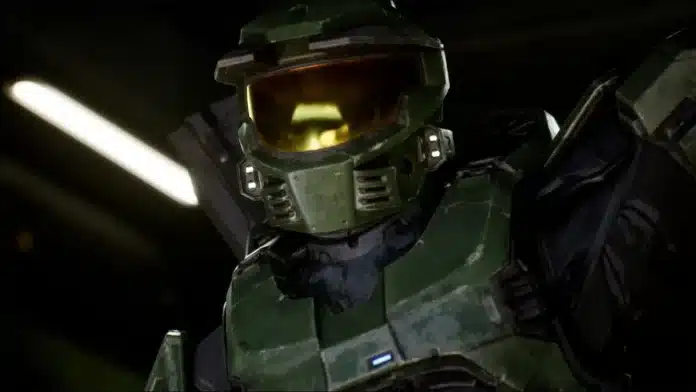
Classic Halo’s Resurgence and Player Nostalgia
Recent player experiences suggest that the original Halo titles retain a powerful allure, with some enthusiasts returning to these foundational games and finding them as compelling as ever. One player, finding solace in older Xbox 360 titles due to issues with a PlayStation 5, revisited Halo 3 and expressed profound admiration for its peak era. The sentiment is that when Halo was at its zenith, few games could rival its quality. The replayability is highlighted, with levels offering fresh challenges and strategic possibilities even after numerous playthroughs, further enhanced by a celebrated soundtrack. This enduring appeal stands in contrast to newer iterations, with one reader noting that a recent remake carries a “modern day corporate stink,” despite the inevitability of its purchase.
Zelda Remake Speculation and Evolving Game Design
Discussions also touched upon the potential art direction for an anticipated Zelda: Ocarina Of Time remake. A reader mused whether the game would employ distinct art styles for the different time periods Link inhabits. The idea proposed was a vibrant, almost dreamlike youth contrasting with a more somber, gritty future echoing a Lord Of The Rings tone. While the original game touched on this, advancements in stylized graphics could allow for a more pronounced and impactful distinction.
The Evolution of Console Technology and Online Infrastructure
Reflecting on the original Xbox’s launch price of £299, a comparison was drawn to current console technology. The observation is that 24 years later, the technological leap, when adjusted for inflation, is not as dramatic as one might expect. The advent of broadband internet and its integration with consoles, such as experiencing multiplayer gaming with voice chat in Far Cry, is still viewed with a sense of wonder. The seamless, instantaneous communication and gameplay experienced with players across the globe are described as “witchcraft” and “magical,” elements that younger generations may take for granted.
The Modern Gaming Installation Gauntlet
A stark contrast was drawn between the simplicity of past gaming experiences and the current realities. The process of playing a game in earlier times involved simply inserting a disc and pressing play. Today, the same action can involve lengthy installation times, extensive downloads for updates, and frustrating account creation issues, as experienced with Ubisoft’s Star Wars Outlaws on PlayStation 5. This highlights a significant shift in the player experience and raises questions about the current state of game distribution and technical implementation.
Xbox’s Strategic Reshuffle and Future Direction
Recent communications from Xbox CEO Sharma have been characterized as candid and critical of past performance. The proposed “reset” is anticipated to be extensive, leading to significant changes within the company. Speculation suggests that prior initiatives, such as reintroducing exclusives like Gears and the prominent use of the Xbox logo, may have been strategic moves for positive public relations and to rally support for Sharma’s vision. The emphasis on returning to the brand’s “glory days” and fostering renewed enthusiasm among loyal fans is a key theme. While acknowledging the need for “tough decisions,” including potential studio closures and staff reductions, there’s a view that the proposed changes represent a genuine effort to innovate and improve the Xbox brand.
Dragon Quest’s Unique Identity and Western Market Challenges
The enduring appeal of the Dragon Quest series in Japan was contrasted with its perceived lack of traction in Western markets. This relative obscurity allows the series to maintain its distinct identity. Concerns have been raised about attempts to make the franchise “edgier” or more adult, which are seen as detrimental to its core identity as a lighthearted, nostalgic experience for many in Japan. The fear is that transforming it into something akin to Final Fantasy or Dragon Age would fundamentally alter what makes Dragon Quest special.
The Economic Realities of Game Purchasing
The sheer volume of major game releases scheduled for September and October has led to discussions about potential underperformance. One reader shared their evolving purchasing habits, noting a reluctance to buy games at full price, even with increased disposable income. While in 2003, spending £40 on a game like Project Gotham Racing 2 was common, today’s equivalent price point faces significant buyer hesitation. The trend of waiting for discounts, even for highly anticipated titles like Resident Evil 4 remake, is identified as a potential challenge for the games industry, impacting the viability of certain types of game development.
Industry Concerns and Future Development
The current climate raises questions about which projects will receive greenlighting in the future, particularly following shifts in leadership within major companies. There is a sentiment that the focus may not shift away from a “ShooterBox” image. Additionally, the success of a trailer for a new Spyro game is viewed with caution, given that previous efforts with Crash Bandicoot may not have met Activision’s expectations, suggesting a potentially lower chance of success for Spyro.