
A significant global fashion conglomerate, TFG, has announced plans to shutter approximately 180 retail locations over the next three years. This strategic move is part of a broader initiative to bolster profitability and optimize its retail footprint in response to evolving consumer shopping habits, particularly the substantial growth in online sales. The company operates a diverse portfolio of brands across various international markets, including the United Kingdom, Australia, and Africa.
Strategic Store Consolidation
The planned store closures are primarily concentrated within TFG’s Africa operations. In the 21 weeks leading up to August 22, the company had already closed 85 stores in its African portfolio, identifying them as no longer being “economically viable.” Despite these closures, TFG also expanded its presence by opening 25 new stores during the same period. The latest announcement details a further consolidation, with 180 additional stores slated for closure across its African markets over the next three financial years. Specifically, the company anticipates closing around 80 stores in the 2027 financial year, with the remaining 100 closures spread across the subsequent two financial years.
TFG stated that this “consolidation is expected to enhance both profitability and return on capital.” The company’s brands in South Africa include well-known names such as Foschini, Sportscene, and Markham. This strategic pruning of underperforming locations aims to streamline operations and improve the overall financial health of the business.
Global Economic Headwinds and Online Focus
Looking at the broader economic landscape, TFG acknowledged that consumers globally are likely to continue facing financial pressures in the immediate future. In light of this, the company’s management is committed to prioritizing and expanding its online sales channels. This focus on digital growth is a critical component of its strategy to adapt to changing market dynamics and reach consumers effectively.
Challenges in Key Markets
TFG’s operations in the United Kingdom, particularly its TFG London division, have been affected by the persistent weakness in the UK economy. The company described the market backdrop as “heavily promotional,” indicating intense competition and pressure on pricing and margins. This environment necessitates a more agile and cost-efficient operational structure.
Similarly, the Australian market has presented significant challenges. The TFG arm in Australia has contended with increasingly difficult trading conditions. High inflation and rising interest rates have notably impacted consumer spending power and confidence in this region, leading to a more cautious purchasing environment.
Brand Portfolio and Future Outlook
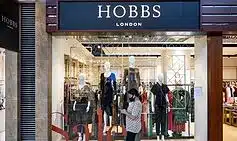
TFG’s extensive brand portfolio includes established names like Phase Eight and Hobbs in the UK, alongside its African brands. The company’s approach involves carefully managing these brands and their respective market positions. The decision to close stores is a data-driven process, aimed at aligning the physical retail presence with current market realities and future growth projections.
The company’s strategy emphasizes a dual approach: optimizing the existing physical store network through consolidation and investing in the expansion of its e-commerce capabilities. By reducing the number of physical stores, TFG can reallocate resources towards enhancing its online platform, improving logistics, and developing digital marketing strategies. This balanced approach is designed to ensure the company’s resilience and competitiveness in the dynamic global fashion retail sector.
Conclusion
The planned closure of 180 stores by TFG represents a significant strategic pivot aimed at improving financial performance. By streamlining its physical footprint, particularly in Africa, and intensifying its focus on online sales growth, the company seeks to navigate current economic challenges and position itself for long-term success. The ongoing assessment of market conditions in key regions like the UK and Australia underscores the need for adaptability and strategic resource allocation in the contemporary retail environment.