
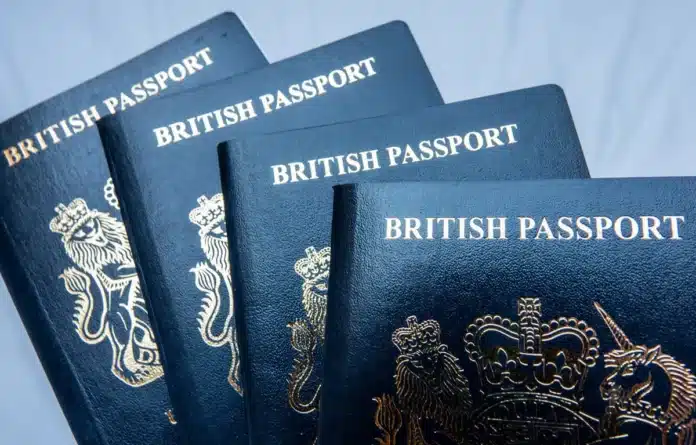
Key Passport Rule Could Impact Summer Travel
As the summer holiday season reaches its peak, travellers are being urged to double-check a critical detail on their passports: expiry dates. A significant portion of the UK public remains unaware of varying international passport validity requirements, which could lead to denied boarding or entry.
Widespread Ignorance of Passport Rules
New research indicates a concerning lack of awareness regarding passport validity. A substantial 80% of passport holders were reportedly unaware that some countries mandate a passport to be valid for three months beyond their intended departure date, while others require six months. Additionally, 16% of individuals do not know their passport’s expiry date, and 10% have less than a year of validity remaining. Even more alarming, 8% of travellers are currently in possession of expired passports.
These oversights have had real-world consequences, with one in 14 holidaymakers (7%) having been denied entry to a country due to insufficient remaining validity on their travel documents.
Expert Advice for Stress-Free Travel
Michelle Cooper, director of travel insurance at Saga, which commissioned the research, emphasized the importance of proactive checks. “A few quick checks can help people avoid unnecessary stress, unexpected costs, and disruption at the airport,” Cooper stated.
She further explained the potential ramifications: “If you travel to a country without enough time left on your passport, there’s a possibility you’ll be denied entry. This could be by your airline, before flying, or by border security once you reach your destination.”
Financial Implications of Non-Compliance
Failing to adhere to these passport regulations can extend beyond mere inconvenience, leading to significant financial losses. “If you’re denied boarding or refused entry because your passport doesn’t meet those rules, travel insurance is unlikely to cover costs such as cancelled accommodation, missed flights, or return travel expenses,” Cooper noted. “This is because the responsibility typically sits with the traveller to ensure their passport meets the entry requirements of the country they’re visiting.”
Specific Country Requirements
European Union and Schengen Zone
For travel within the EU and the Schengen Zone, passports must be valid for at least three months after the planned departure date and be less than 10 years old on the day of entry.
Other Destinations
- Morocco: Requires at least three months’ validity after the date of arrival.
- Turkey: Demands at least 150 days (approximately five months) of validity after the date of arrival.
- Egypt and China: Both nations require a minimum of six months’ validity remaining on the passport.
Cooper also highlighted that while new passports are typically issued with a 10-year validity, those issued before 2018 may have an extended validity of 10 years and nine months. “If you have an older passport, make sure you check both the issue date and expiry date before travelling to avoid problems at the border,” she advised.
Blank Page Requirements for Frequent Travellers
Beyond expiry dates, some countries also mandate a minimum number of blank pages in a passport to accommodate necessary stamps and visas. Frequent travellers are advised to regularly check their passport’s blank page count before booking trips.
For those who anticipate heavy travel, the UK Government website offers an option to purchase a “frequent traveller passport” for an additional fee. This enhanced passport includes 20 extra blank pages, bringing the total to 54 instead of the standard 34. The cost for an adult edition is £116, while a child’s version is £80.50.
While the EU’s Entry/Exit System (EES) is gradually being rolled out, potentially reducing the frequency of physical passport stamping, it remains crucial to stay informed. “For now, requirements can still vary depending on destination and border process,” Cooper concluded.